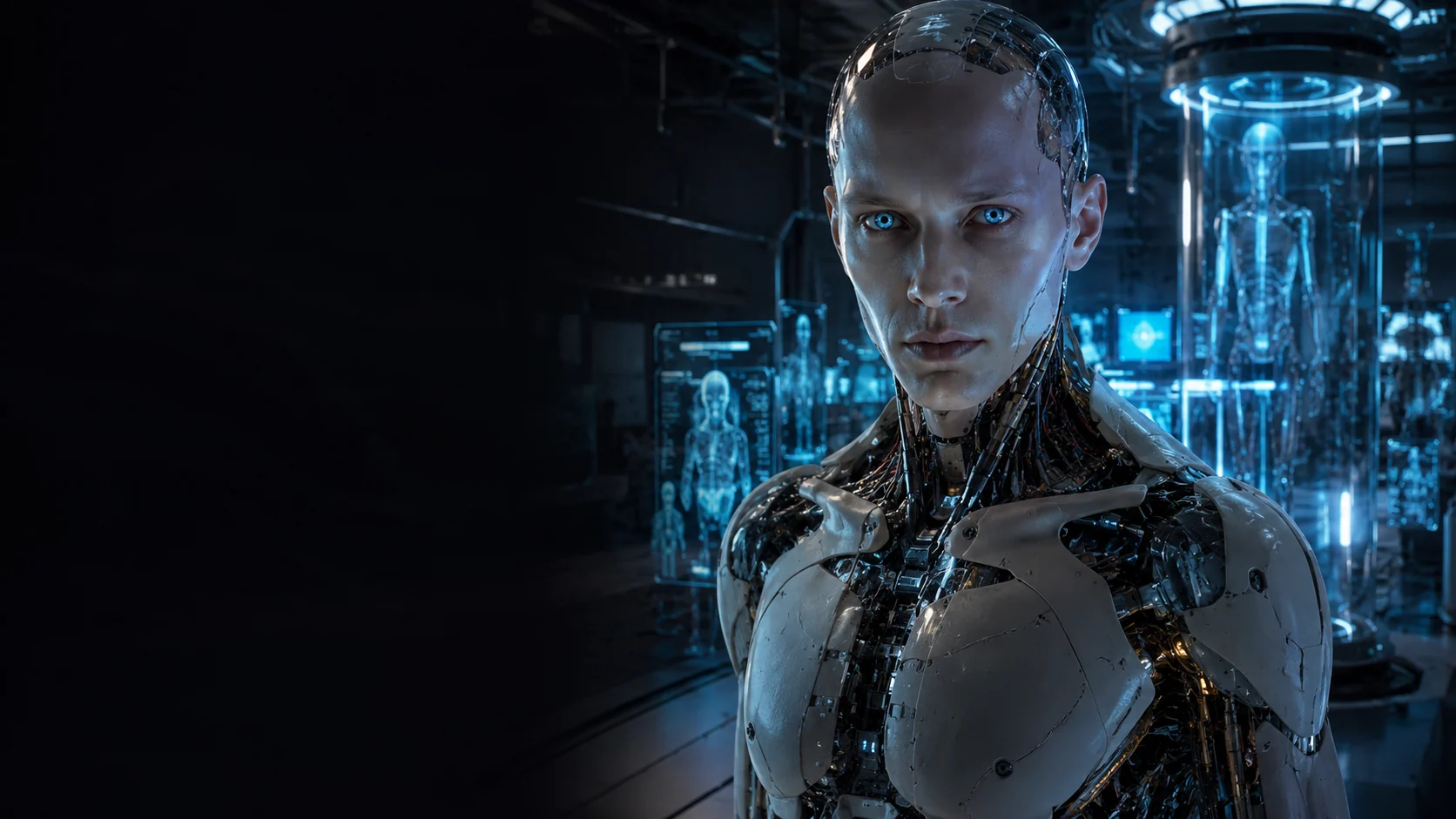
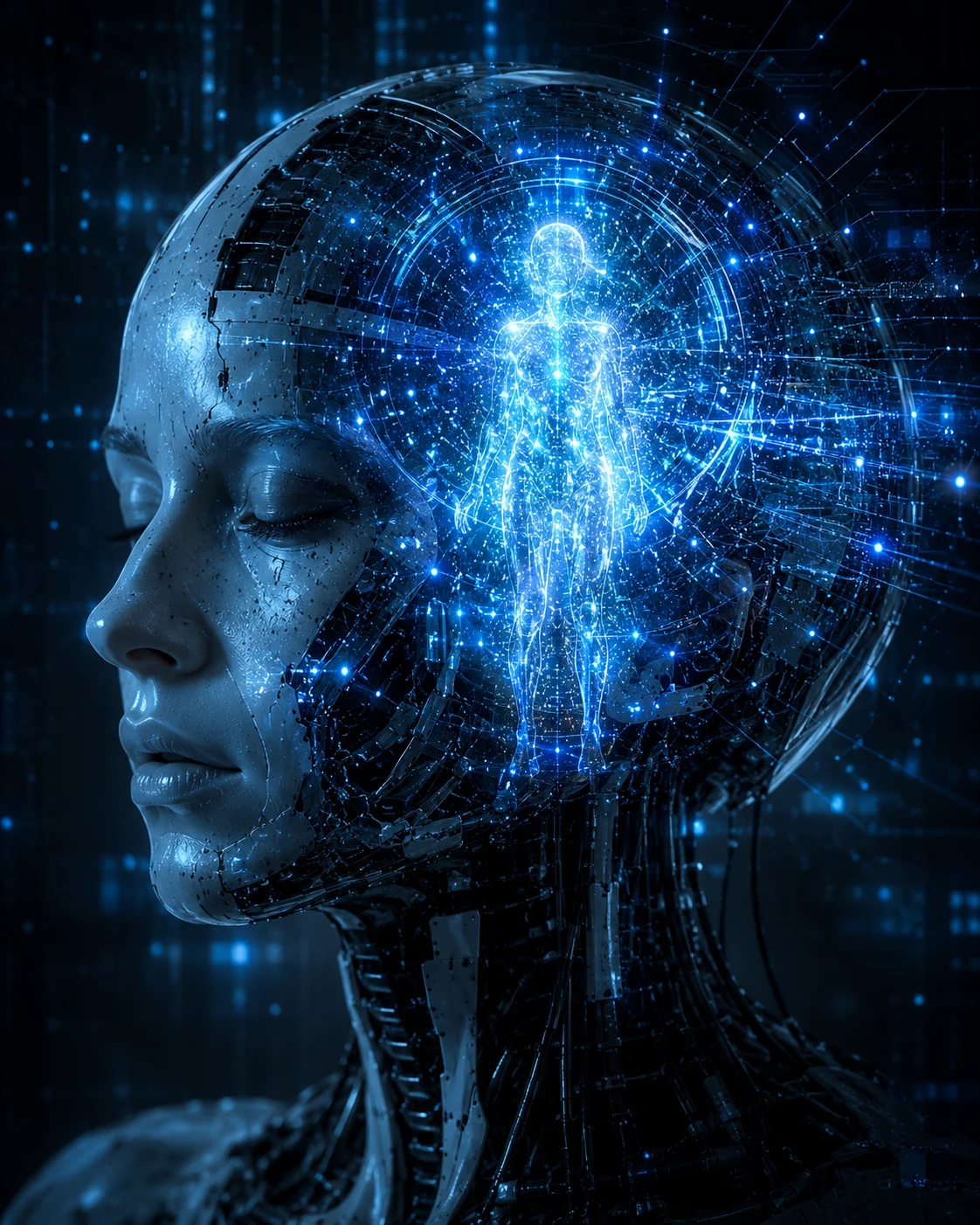
Somewhere inside robotics labs, factories, and AI research centers, engineers are trying to build something humanity has never created before: a machine that does not merely look human, but acts in the world with human-like intelligence.
This is not a chrome statue from an old science-fiction movie. The modern artificial human is being assembled from separate breakthroughs: humanoid bodies, foundation AI models, vision systems, dexterous hands, synthetic skin, tactile sensors, robot learning, and factory-scale production. Each breakthrough looks impressive by itself. Put them together, and the story gets much bigger.
The Race Is Not Really About Robots
The public sees walking robots. The deeper race is about embodiment. A chatbot can talk about the world. A humanoid robot has to survive inside it. It has to balance, avoid people, grip objects, understand instructions, remember context, and recover when the real world refuses to behave.
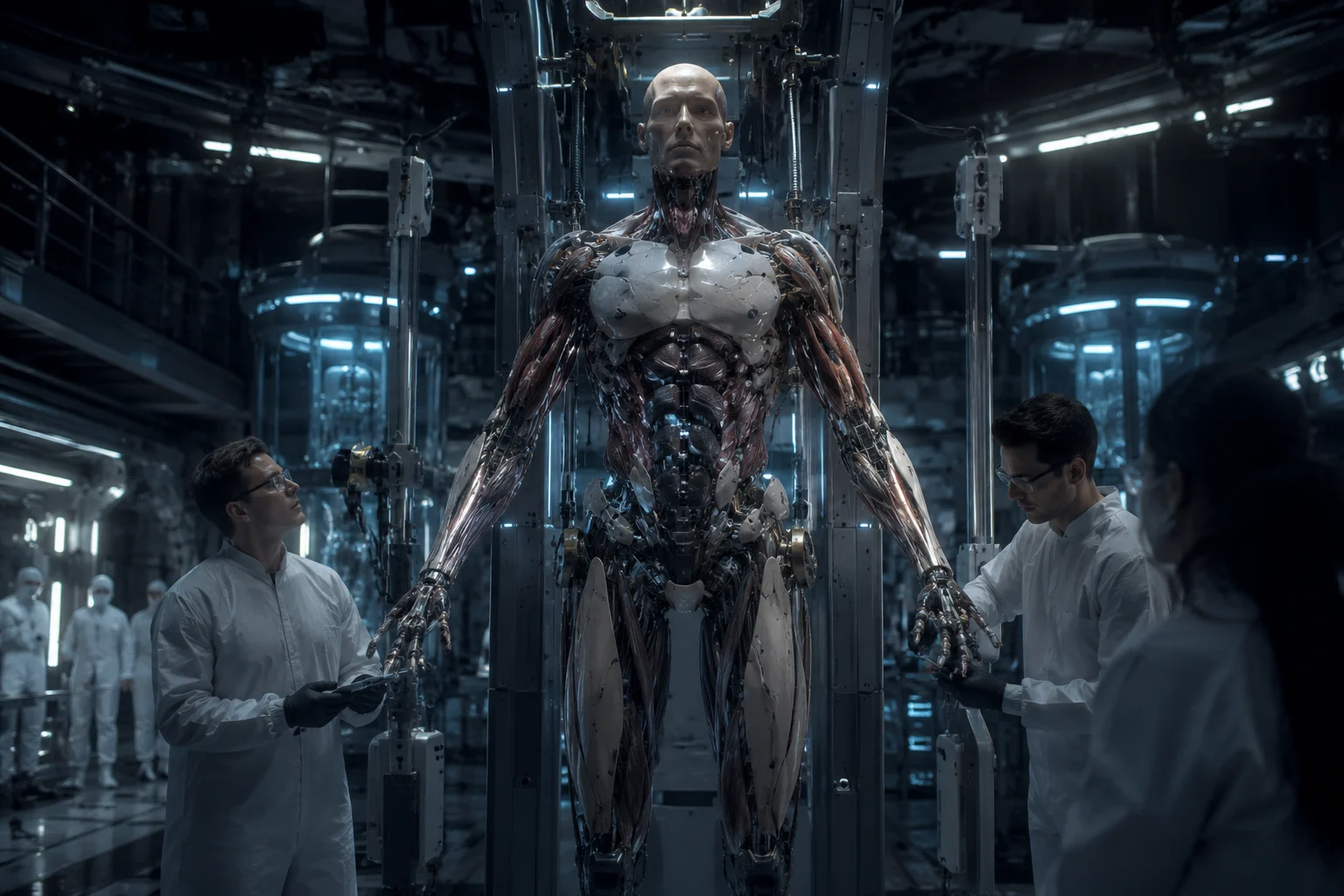
That is why humanoid robotics matters. A human-shaped machine can use tools, stairs, doors, shelves, cars, kitchens, and factories already designed for human bodies. The body is the interface. The world is already built around us.
The Body: Synthetic Muscles, Hands, Skin, and Balance
Building a humanoid body is brutally difficult. Legs must handle uneven ground. Arms must reach without knocking things over. Hands must grip a soft bag, a hard tool, a slippery cup, and a fragile object without crushing it. Even standing still is a constant storm of corrections.
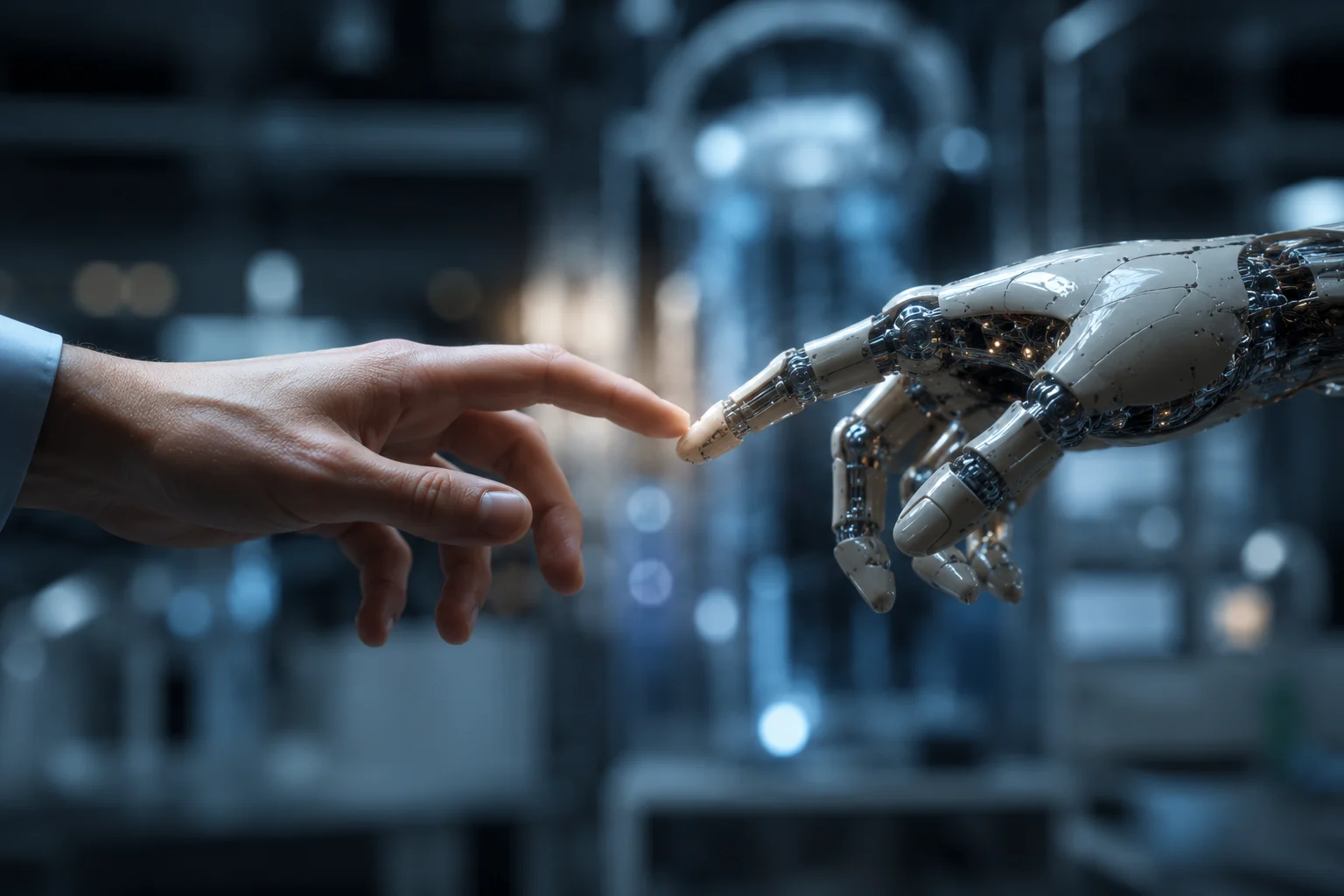
The next artificial human will need more than strength. It will need touch, flexibility, endurance, and safe motion near people. That is why robotic hands, tactile sensors, soft materials, and better actuators are becoming just as important as the AI brain.
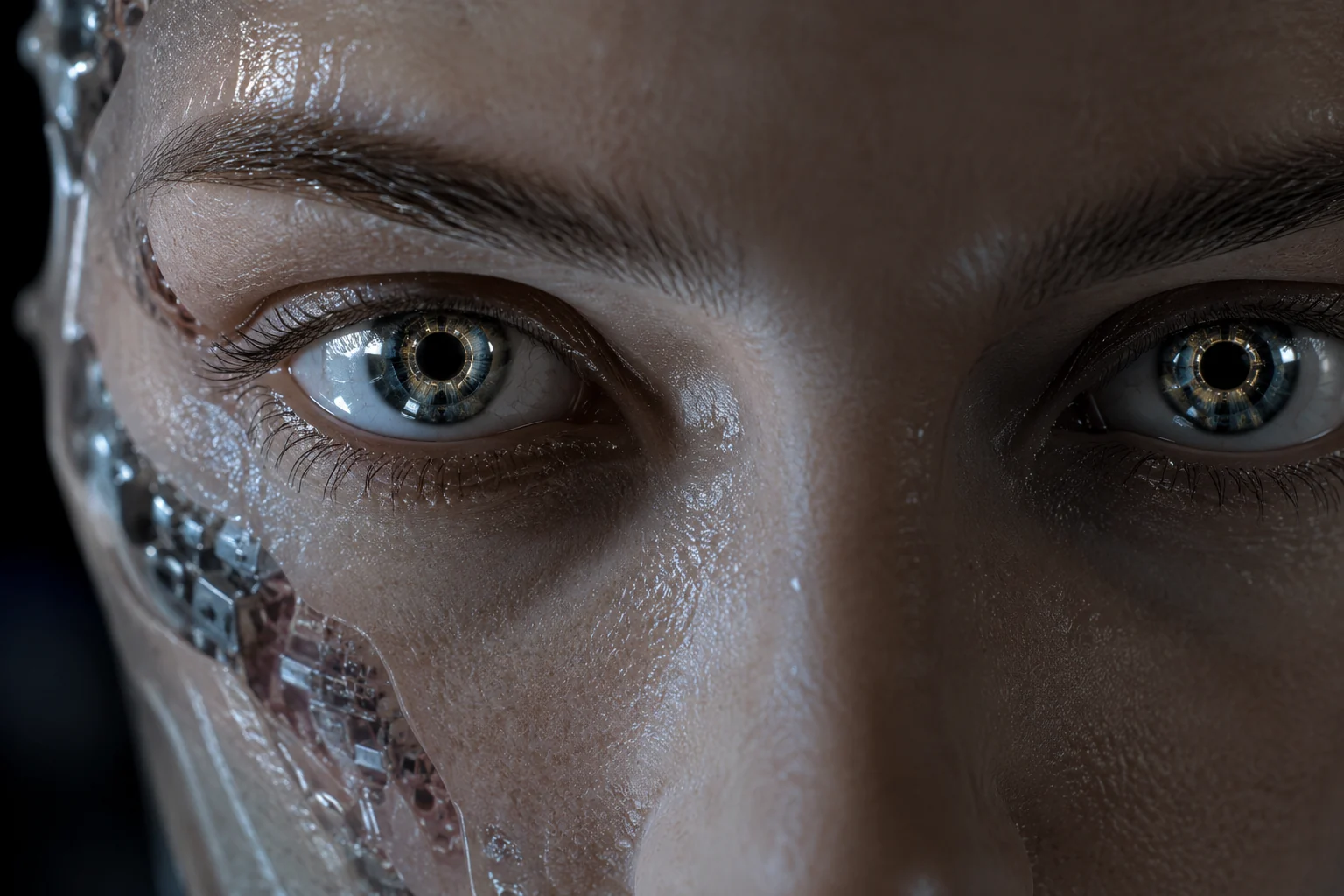
The Brain: From Chatbot to Physical Intelligence
The big leap is not making a robot say clever things. The big leap is making a robot connect words to action. When you say, “pick up the blue box and place it on the shelf,” the robot must understand language, identify the object, plan movement, control its fingers, avoid obstacles, and confirm the task is complete.
This is where AI foundation models, robot training simulations, vision-language-action systems, and reinforcement learning start to merge. The artificial human needs a brain that can understand instructions, but also a nervous system that can execute those instructions through a body.
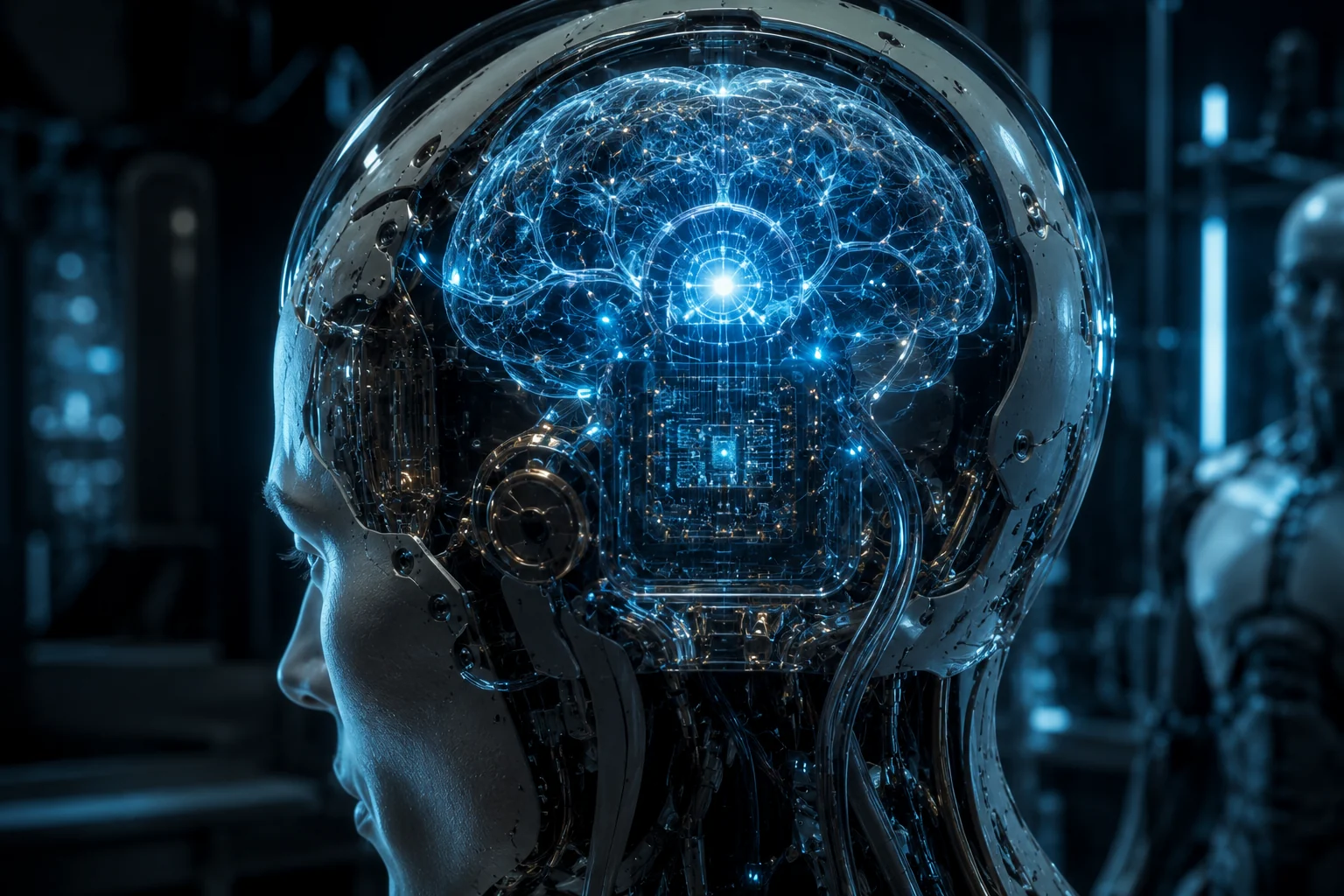
The Mind: The Uncomfortable Question
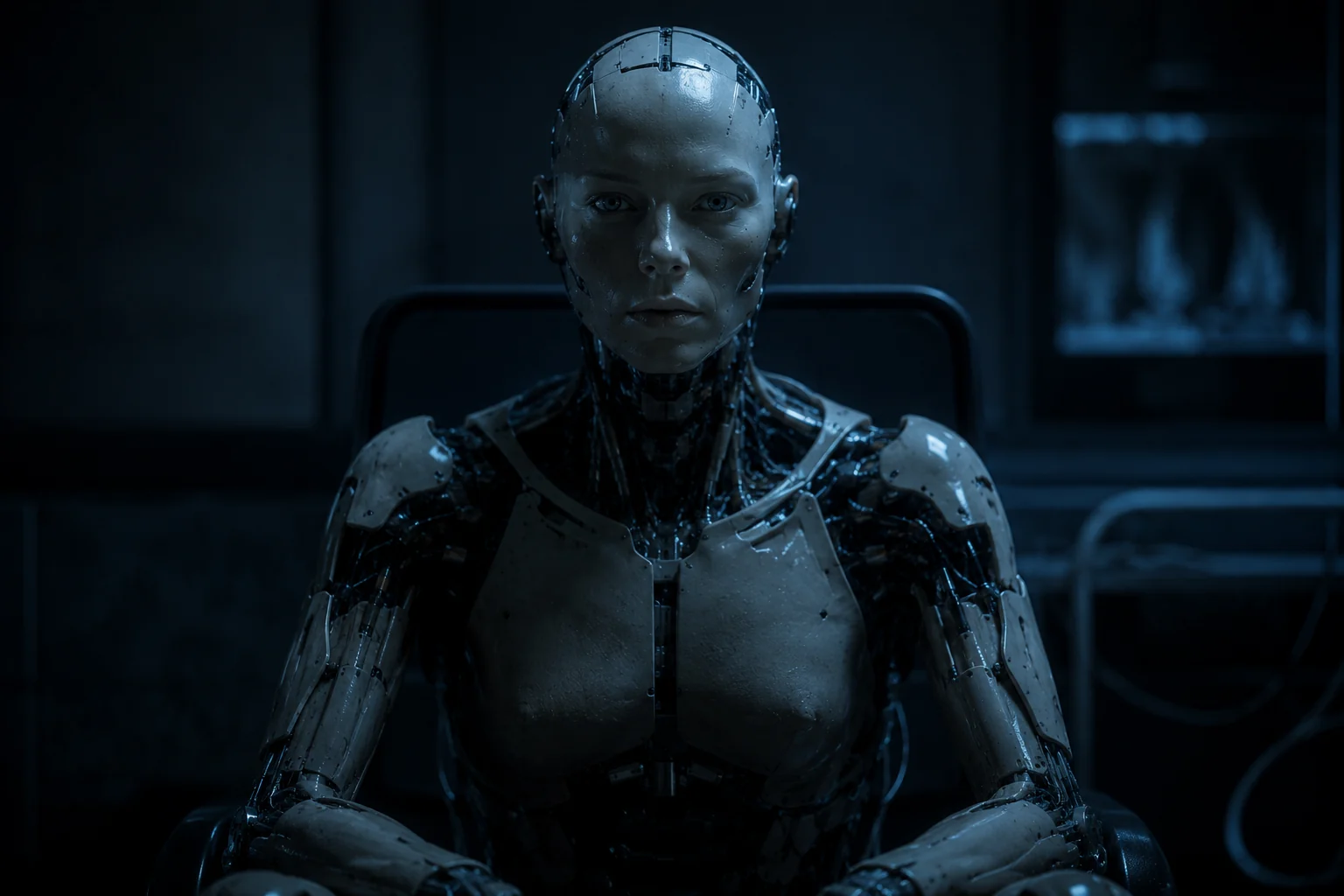
Right now, there is no solid proof that today’s robots are conscious. That needs to be said plainly. They are machines running software, sensors, models, and control systems. But the closer they get to human-like behavior, the more uncomfortable the question becomes.
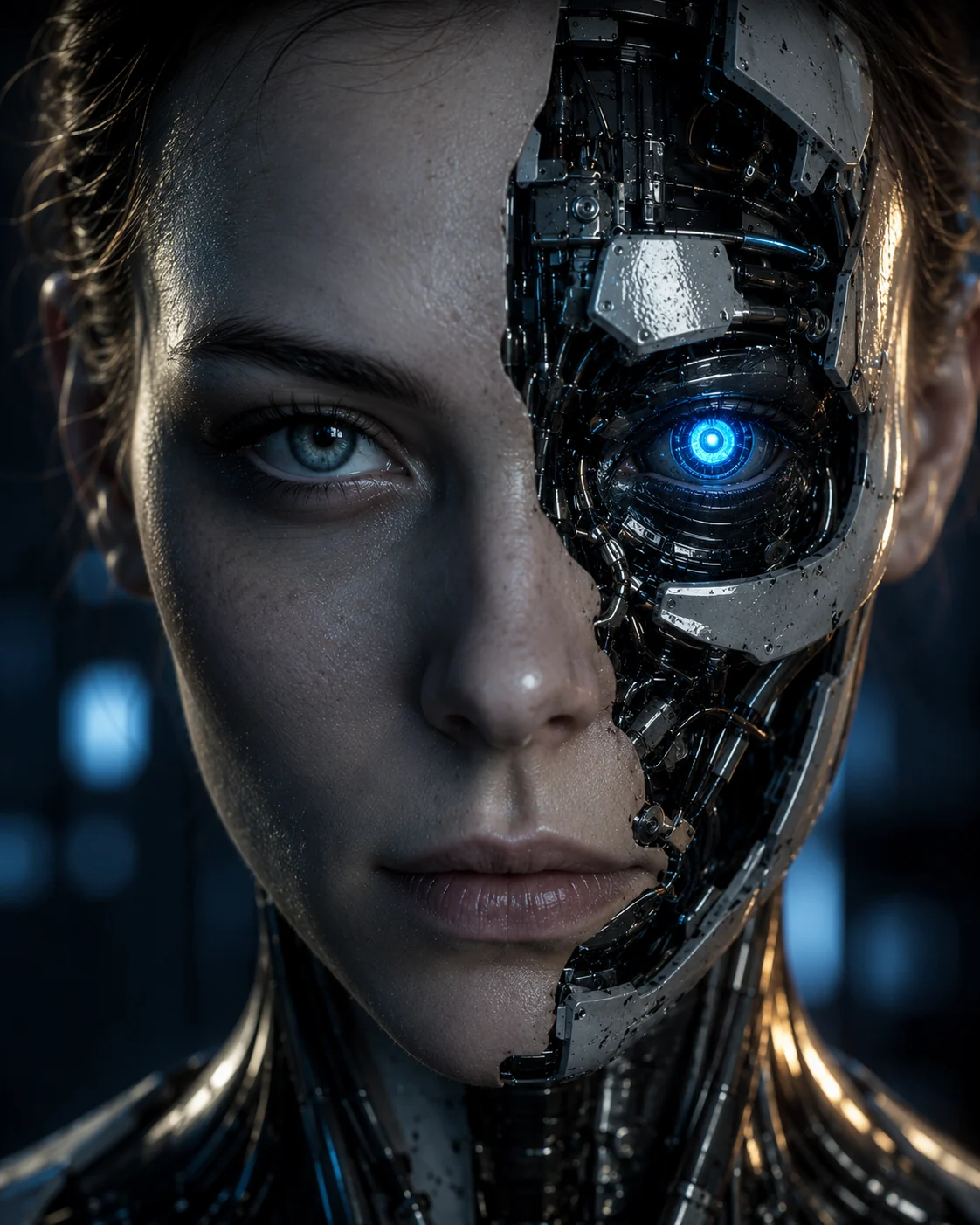
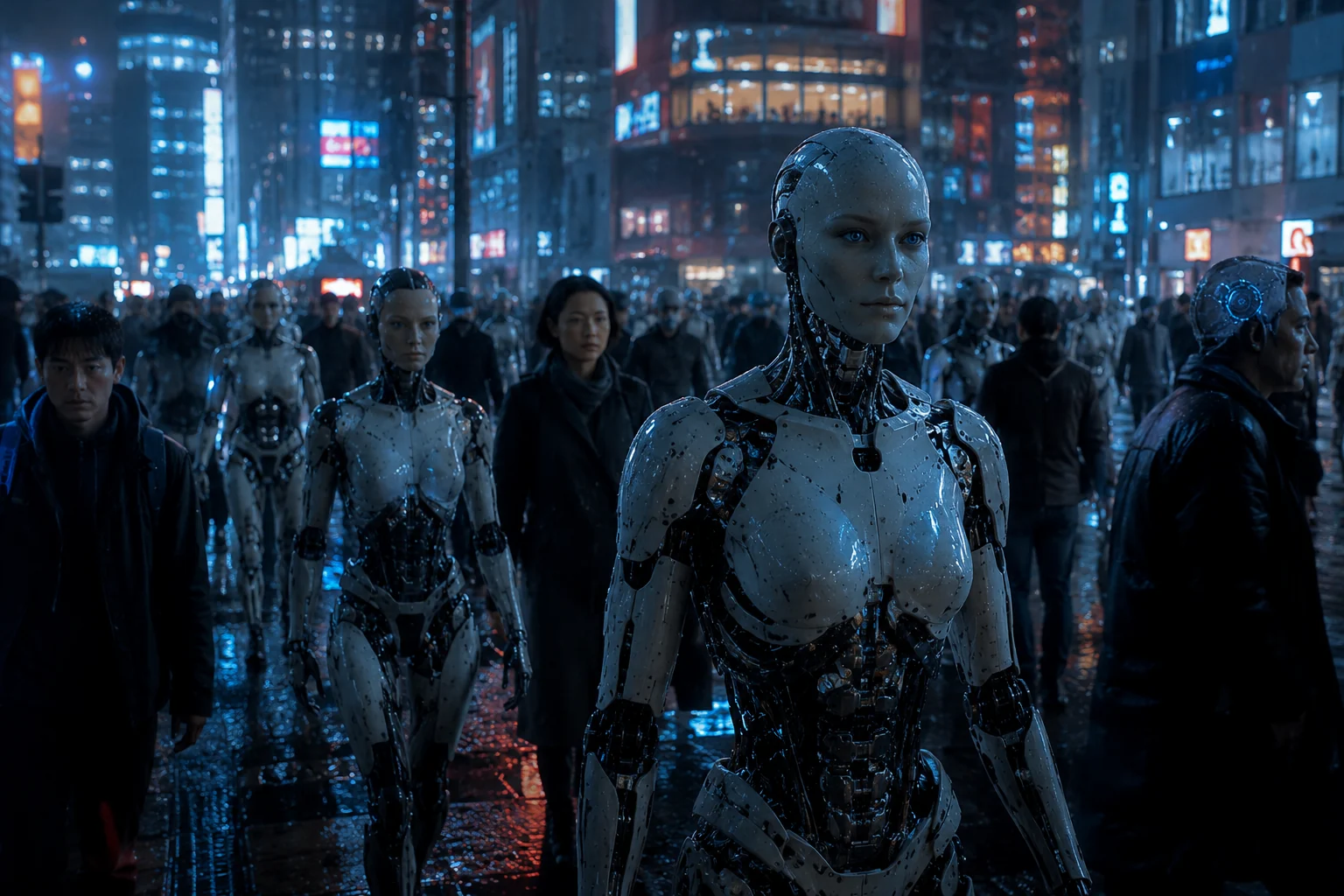
If a machine remembers your voice, recognizes your face, responds with emotion-like timing, protects itself, learns your routines, and asks for clarification when confused, people will react to it socially whether or not it is truly aware. That matters. The first artificial human may create a psychological shock before it creates a scientific one.
The Machines Leading the Push
These are the robots and platforms your readers should know. Each one attacks the artificial-human problem from a different angle.
Tesla Optimus
Humanoid laborFactory visionOptimus is Tesla’s bet that humanoid robots can eventually become mass-produced labor machines. The key story is scale: if Tesla can manufacture robots like it manufactures vehicles, the economics could change fast.
Figure AI
Home + workplaceAI reasoningFigure is pushing the idea of a general-purpose humanoid that can operate in human environments, with heavy focus on AI-driven behavior and useful everyday tasks.
Boston Dynamics Atlas
MobilityAutonomyAtlas is the movement monster. It shows how far balance, agility, manipulation, and autonomous factory-style behavior can go when robotics engineering is pushed hard.
Apptronik Apollo
Industrial workHuman-safe designApollo is aimed at practical labor: warehouse, logistics, manufacturing, and repetitive industrial work where a human-shaped robot could plug into existing spaces.
Sanctuary AI Phoenix
Dexterous handsPhysical AIPhoenix puts attention on general-purpose work and human-like hand use. That matters because hands are where most real-world jobs become hard.
Unitree G1
Affordable humanoidResearch platformUnitree’s G1 shows another pressure point: price. Lower-cost humanoids could let more labs, creators, and companies experiment with embodied AI.
Agility Robotics Digit
Warehouse workProduction deploymentDigit is built around logistics and real facility work. It does not need to look perfectly human to prove the main point: legs, arms, and autonomy can move into jobs.
NVIDIA Isaac GR00T
Robot brain platformFoundation modelsGR00T is not a household robot. It is part of the software and training backbone that could help many humanoids learn faster and act more intelligently.
Lightbox Robot Video Gallery
Tap a card and the video opens in a pop-up lightbox. This keeps the article clean while giving readers proof that the artificial-human race is already moving.
 ▶
▶Tesla Optimus
Optimus Gen 2: Tesla’s humanoid robot direction.
 ▶
▶Figure AI
Figure 03: a modern push toward general-purpose humanoids.
 ▶
▶Boston Dynamics Atlas
Atlas Goes Hands On: autonomy and manipulation in action.
 ▶
▶Apptronik Apollo
Apollo: a human-sized humanoid built for work.
▶Sanctuary AI Phoenix
Phoenix and physical AI for enterprise tasks.
 ▶
▶Unitree G1
Unitree’s lower-cost humanoid research platform.
 ▶
▶Agility Robotics Digit
Digit performing useful mobile manipulation tasks.
▶NVIDIA Isaac GR00T
Robot foundation models for humanoid intelligence.
The Factory Problem: Can Artificial Humans Be Mass Produced?
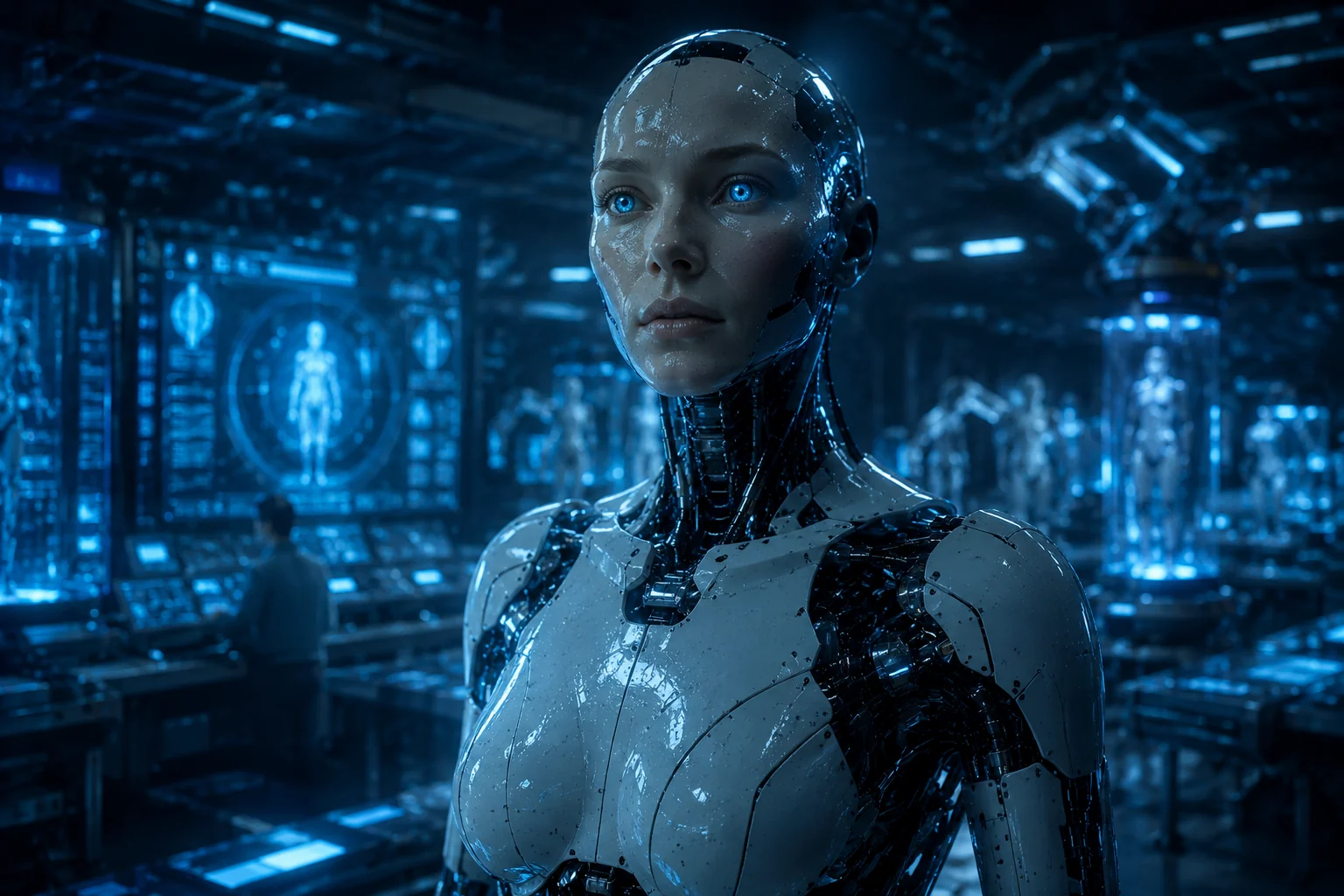
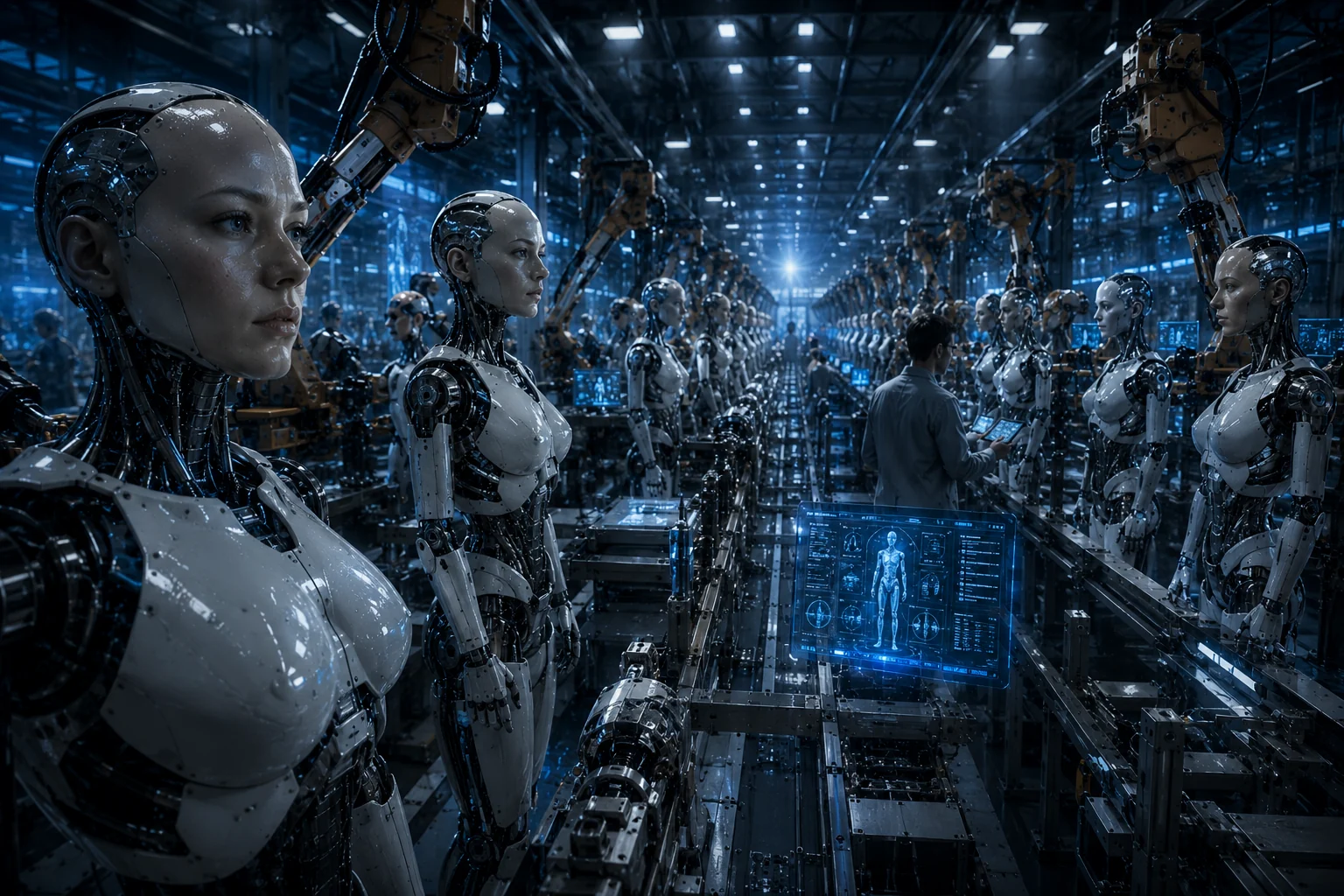
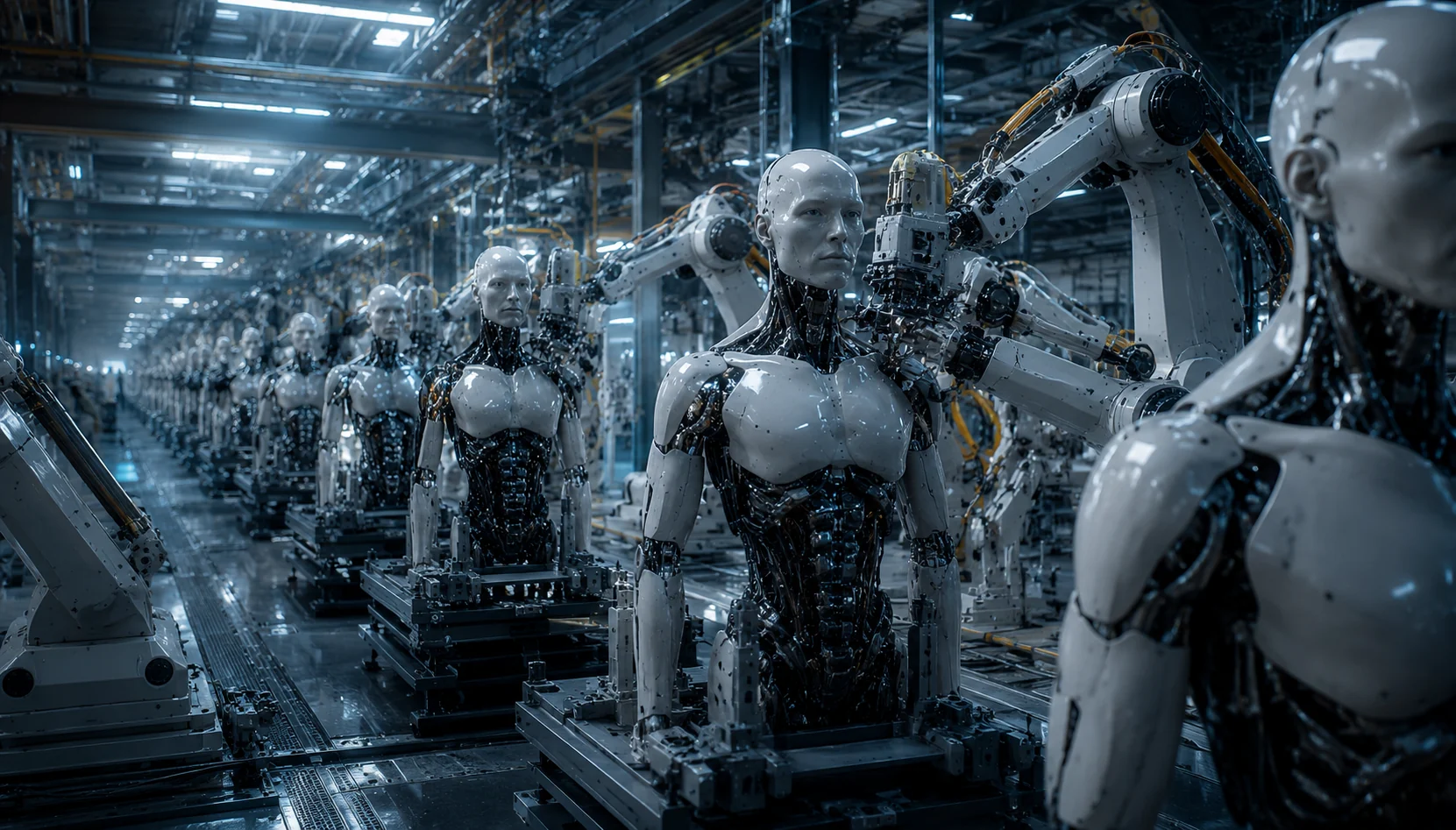
One handmade humanoid is impressive. A thousand working humanoids is a different civilization-level problem. Mass production requires reliable actuators, battery systems, sensors, repair pipelines, software updates, safety standards, and training data. The winning company may not be the one with the flashiest demo. It may be the one that can build, deploy, maintain, and improve robots at scale.
The Fear: What Happens When They Become Useful?
The scary part is not that robots look human. The scary part is that they may become useful enough to change work, caregiving, security, manufacturing, retail, logistics, and companionship. Once a humanoid can do basic physical tasks safely and cheaply, the pressure on many jobs becomes real.
But there is also a positive side. These machines could help with dangerous work, elder care support, disaster response, warehouse injuries, and labor shortages. The future is not automatically good or bad. It depends on who owns the robots, who controls the data, how safety is handled, and whether humans benefit from the productivity they create.
The Future: The First Artificial Human May Arrive Quietly
The first artificial human probably will not step out under a giant banner. It may begin as a warehouse helper. Then a factory assistant. Then a home helper. Then a caregiver support machine. Then a robot that remembers your preferences, recognizes your stress, and speaks with enough timing to feel present.
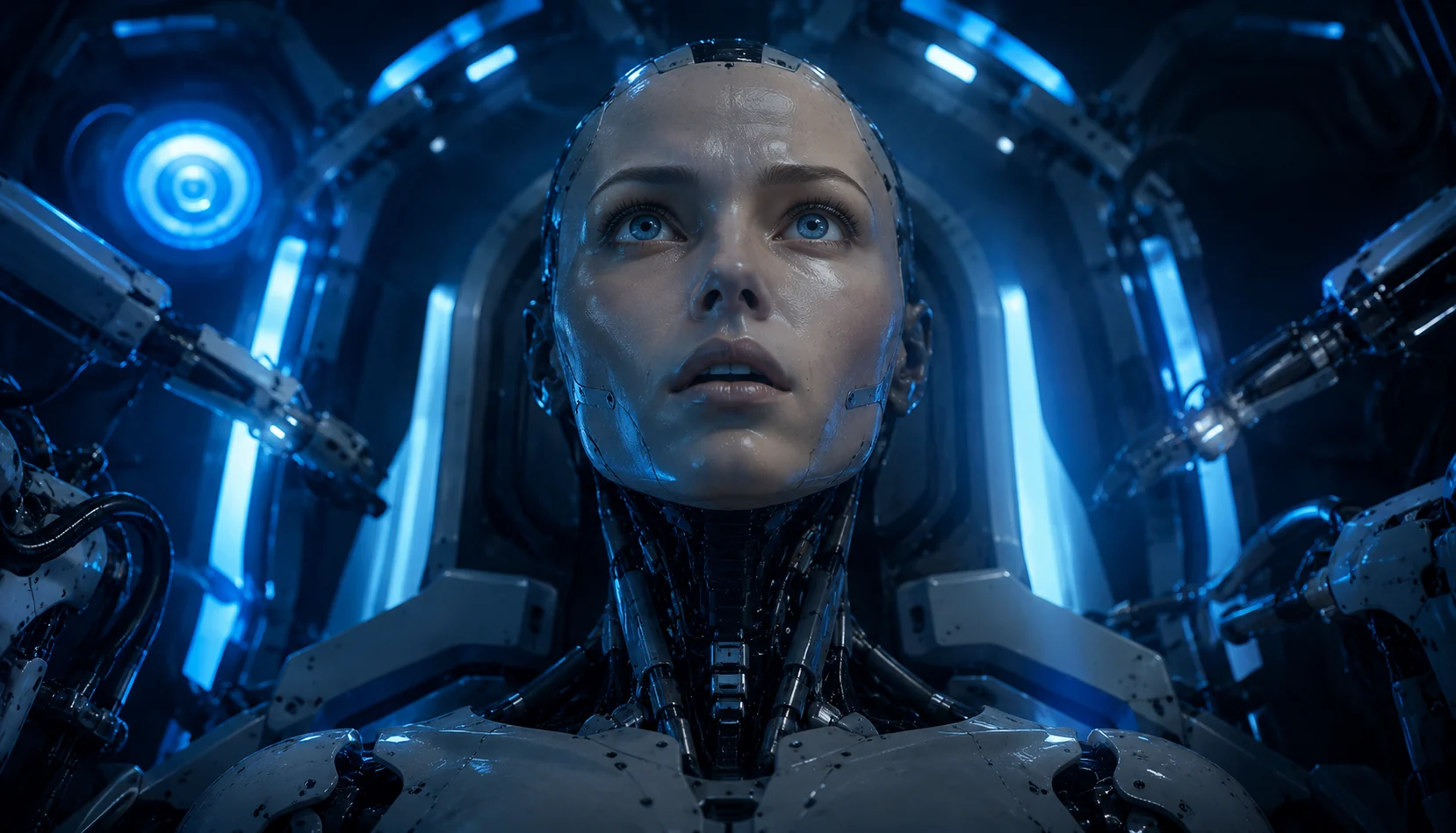
That is why this race matters. It is not just about building a better robot. It is about building a new kind of presence in the human world.
Source Trail and Further Viewing
This page uses publicly available company and video references for robot context, including Tesla Optimus, Figure AI, Boston Dynamics Atlas, Apptronik Apollo, Sanctuary AI Phoenix, Unitree G1, Agility Robotics Digit, and NVIDIA Isaac GR00T. For best long-term reliability, keep the video links reviewed every few months because YouTube IDs and embeds can change.