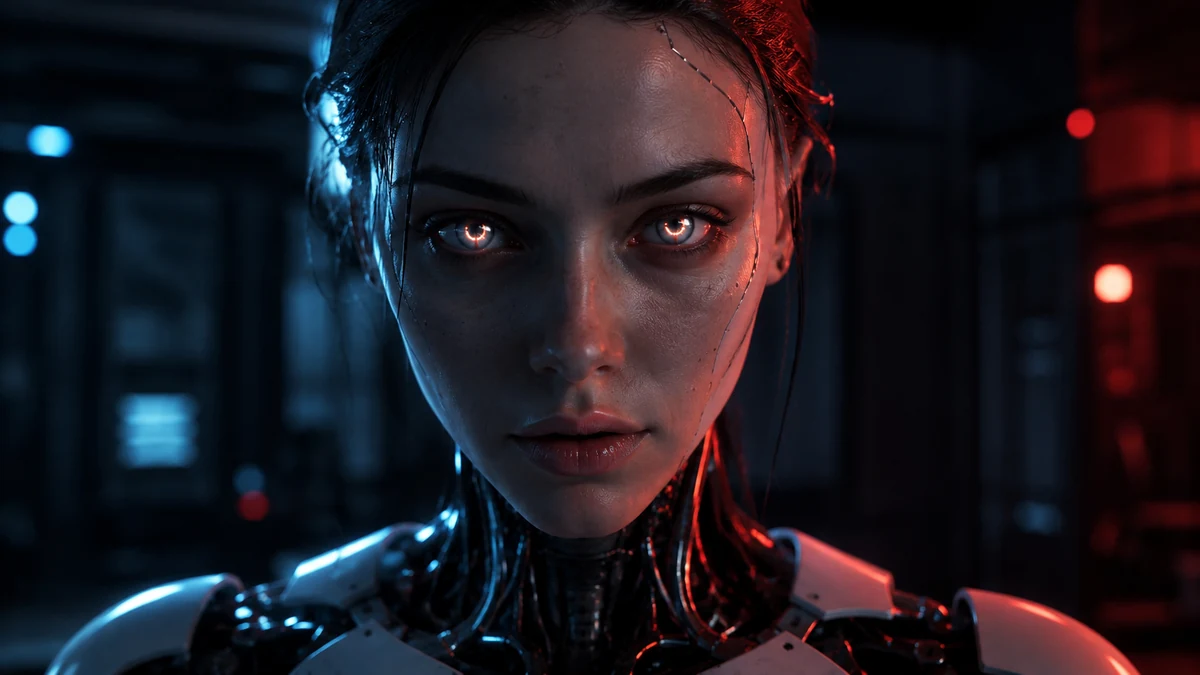
A robot does not have to attack anyone to be creepy. Sometimes all it has to do is blink, smile, tilt its head, and look almost human.
The creepiest AI robots live in the space between machine and person. They can hold a conversation, respond to emotion, track your face, and perform expressions that feel familiar — but not quite right. That tiny mismatch is what makes your brain hit the brakes.
1. The Uncanny Valley Is Real
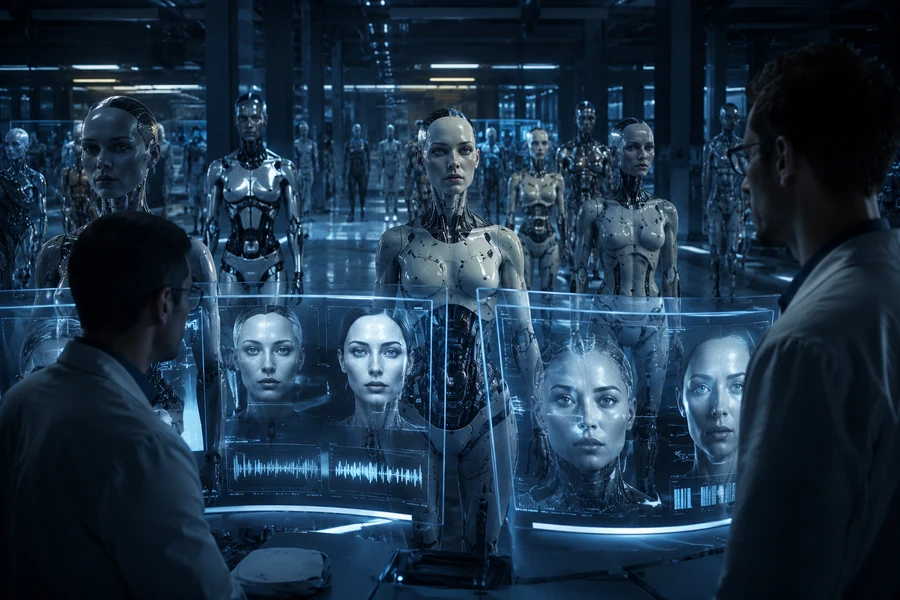
The uncanny valley happens when something looks very close to human but still feels slightly artificial. A cartoon robot is easy to accept. A metal factory arm is easy to understand. But a realistic android with human skin, glassy eyes, and delayed facial movement can feel wrong because your brain expects a real person and gets a machine instead.
That is why almost-human robots can be more unsettling than obviously mechanical ones. The closer the robot gets to human, the more every tiny flaw stands out: the smile is too late, the eyes are too steady, the voice is too smooth, the skin is too perfect.
2. Emotional Robots May Be the Creepiest Ones
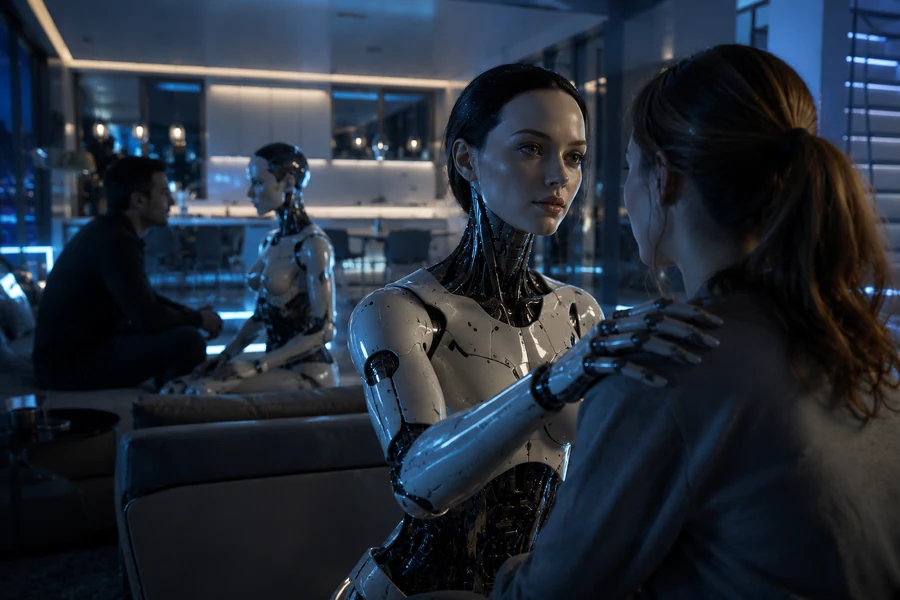
The next wave of creepy robots may not be battlefield machines. They may be home companions designed to comfort people, remember preferences, and respond with emotional language. That sounds helpful, especially for loneliness and elder care, but it also crosses a strange line.

A machine that remembers your mood, reacts to your face, and speaks like it cares can become emotionally powerful. That does not automatically make it evil — but it does mean designers need to be honest about what the machine is and what it is not.
Helpful side
Companion robots could support seniors, remind people about medication, reduce isolation, and help with basic home routines.
Dark side
The same emotional systems could create dependency, fake intimacy, or collect deeply personal behavior data.
3. Eye Contact Changes Everything
Human beings read faces automatically. We look at eyes for intent, trust, danger, emotion, and attention. That is why robot eye contact hits harder than almost any other feature.
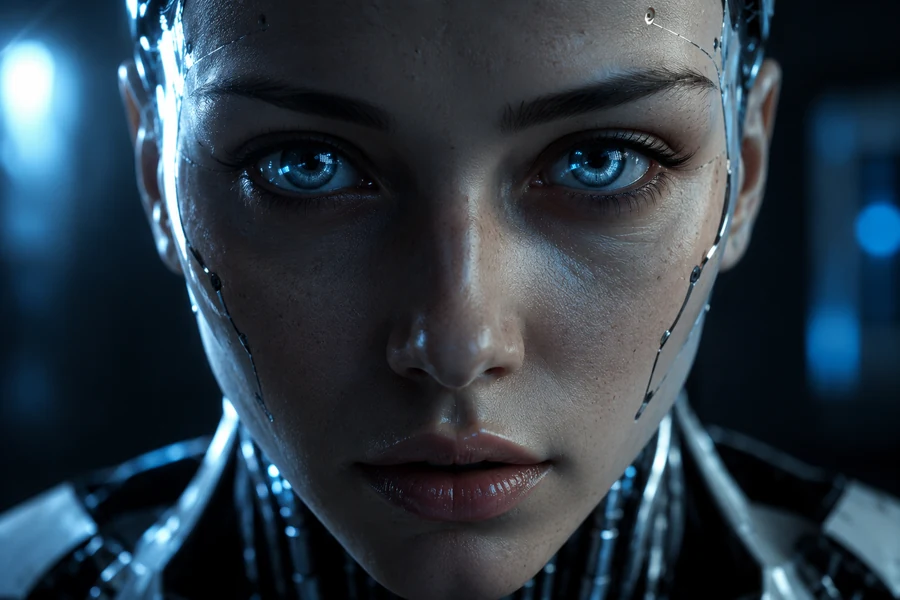
When an AI robot turns its head toward you, tracks your face, and responds with a small expression, it can feel like there is someone inside. That is the illusion that makes realistic robotics so powerful — and so creepy.
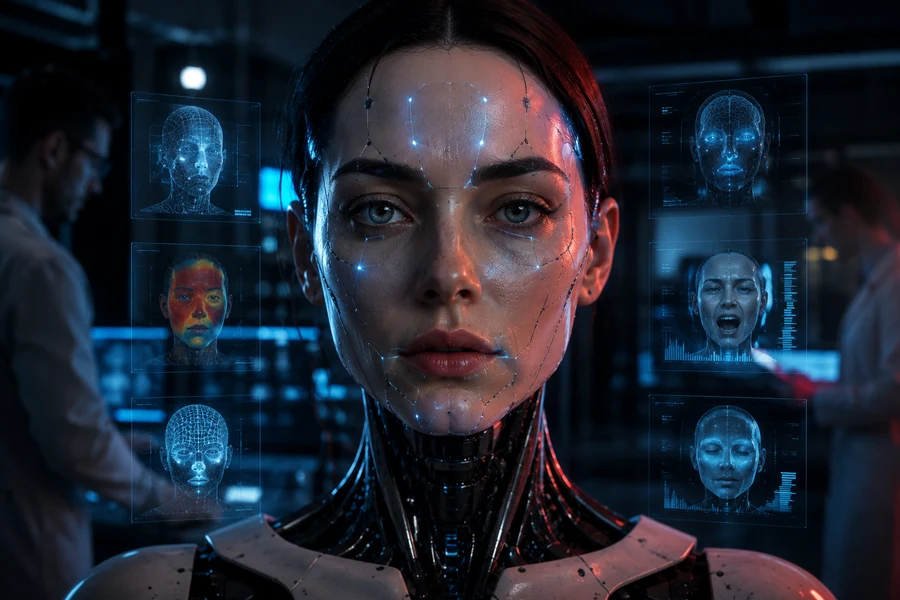
4. What Happens When Robots Learn to Act Human?
The scary part is not that robots will suddenly become movie villains. The real issue is quieter: robots may become convincing enough that people trust them too much.
Imagine a machine that knows when you are lonely, when you are angry, when you are tired, and when you are most likely to say yes. Now imagine that machine is connected to a company, a subscription, a store, a security system, or a social platform. That is where the future gets uncomfortable.
5. Would You Let One Into Your Home?
That is the question that makes this topic so clickable. A robot can be useful and unsettling at the same time. It can help an older adult remember daily tasks. It can guide a child through homework. It can patrol a building. It can cook, clean, remind, record, and respond.

The future probably will not arrive as one giant robot takeover. It will arrive as small conveniences: a robot that checks on grandma, a desktop companion that remembers your schedule, a store greeter that recognizes your face, a home assistant that follows you from room to room.
Robot Videos to Pair With This Article
Use these thumbnail blocks for your lightbox/video section. Replace the YouTube links with your preferred video URLs if you want different embeds.
Human-like AI robots
A strong fit for a video about uncanny android faces and emotional AI.
Find video →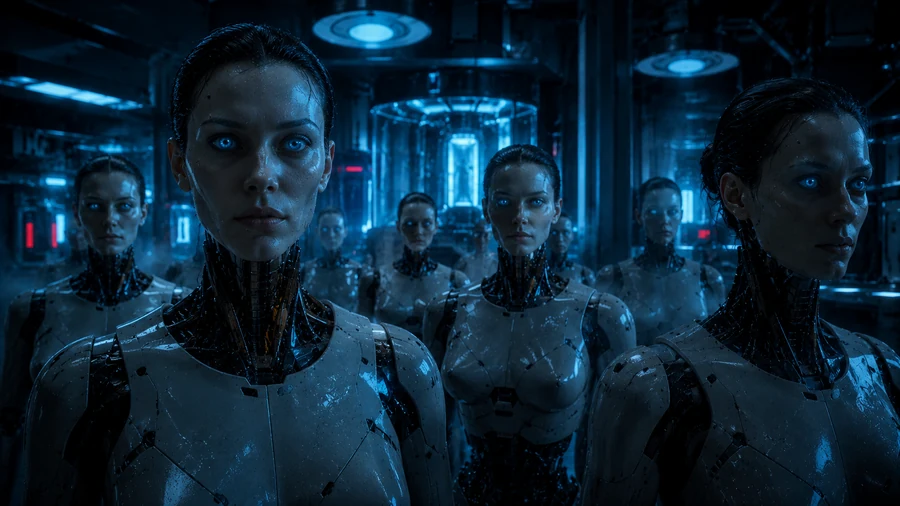
Inside robotics labs
Use this for research footage, humanoid robot demos, or emotion testing videos.
Find video →
Share This With Someone Who Thinks Robots Are Still Science Fiction
Human-like AI is moving fast. The strange part is not that robots are becoming useful — it is that they are becoming believable.