WOLFIEWEB
WolfieWeb Special Report · August 2026

The 100 Most Advanced Humanoid Robots on Earth

Inside the global race to build the first truly useful artificial human

It did not begin with a dramatic announcement. The robots simply started going to work.

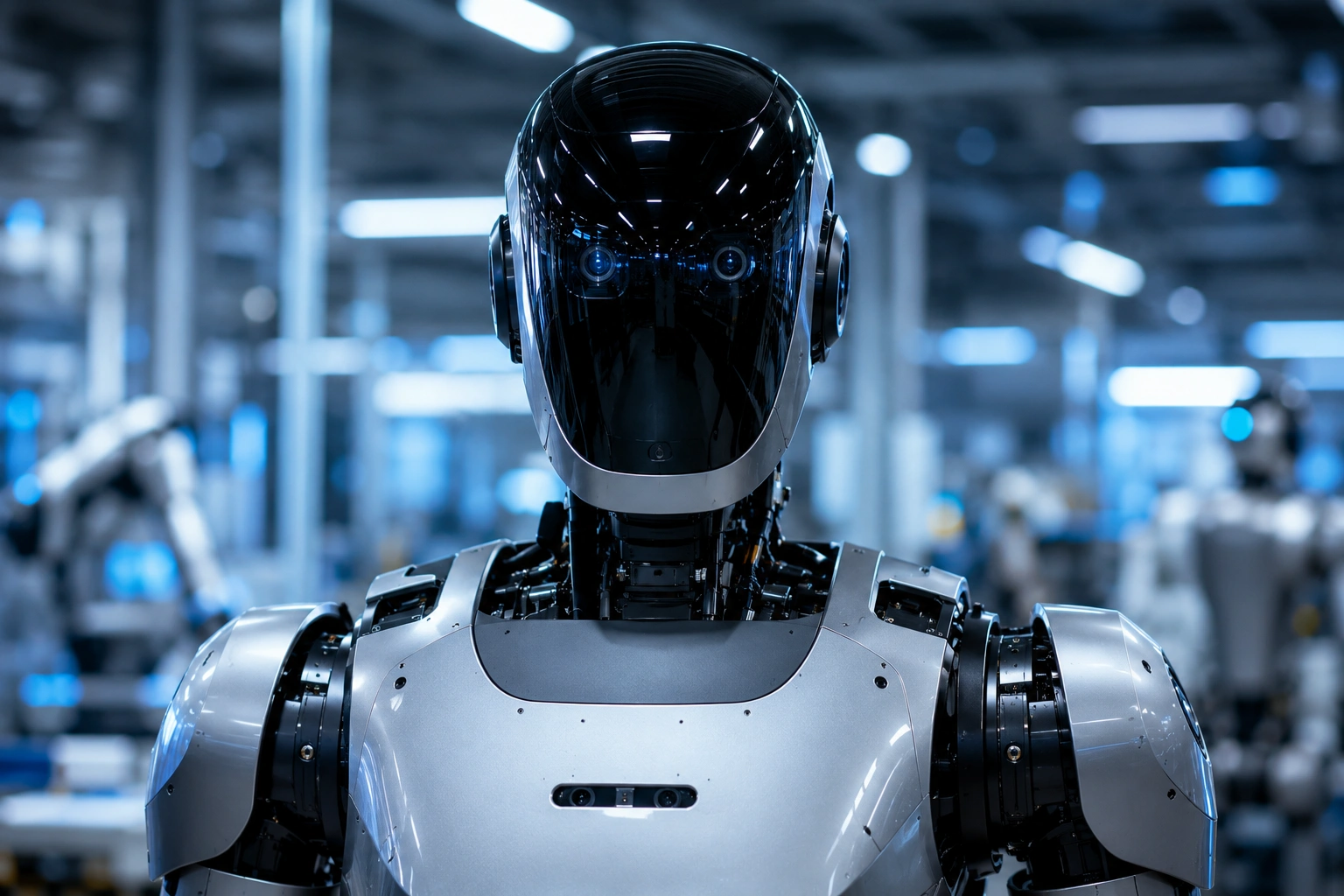
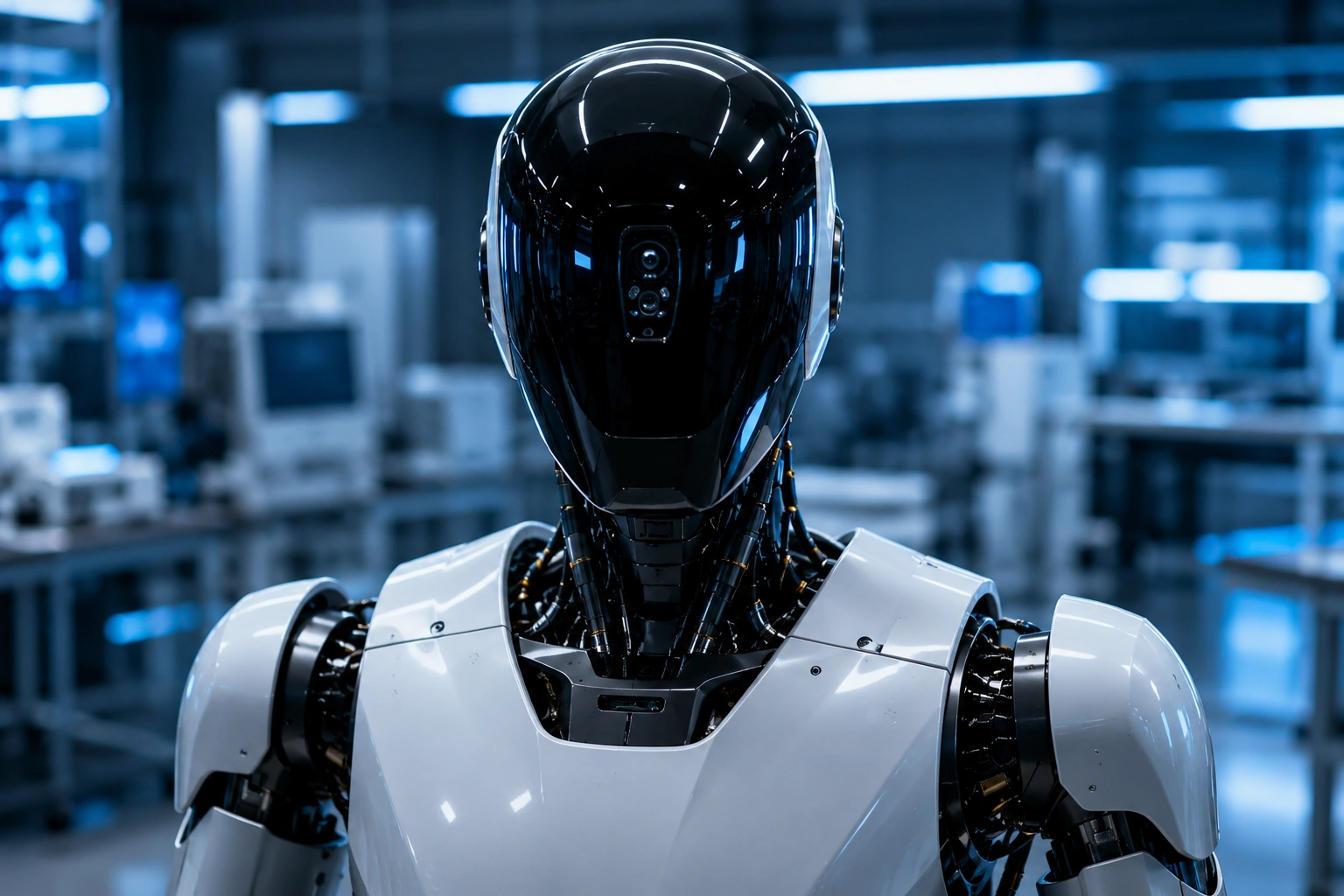
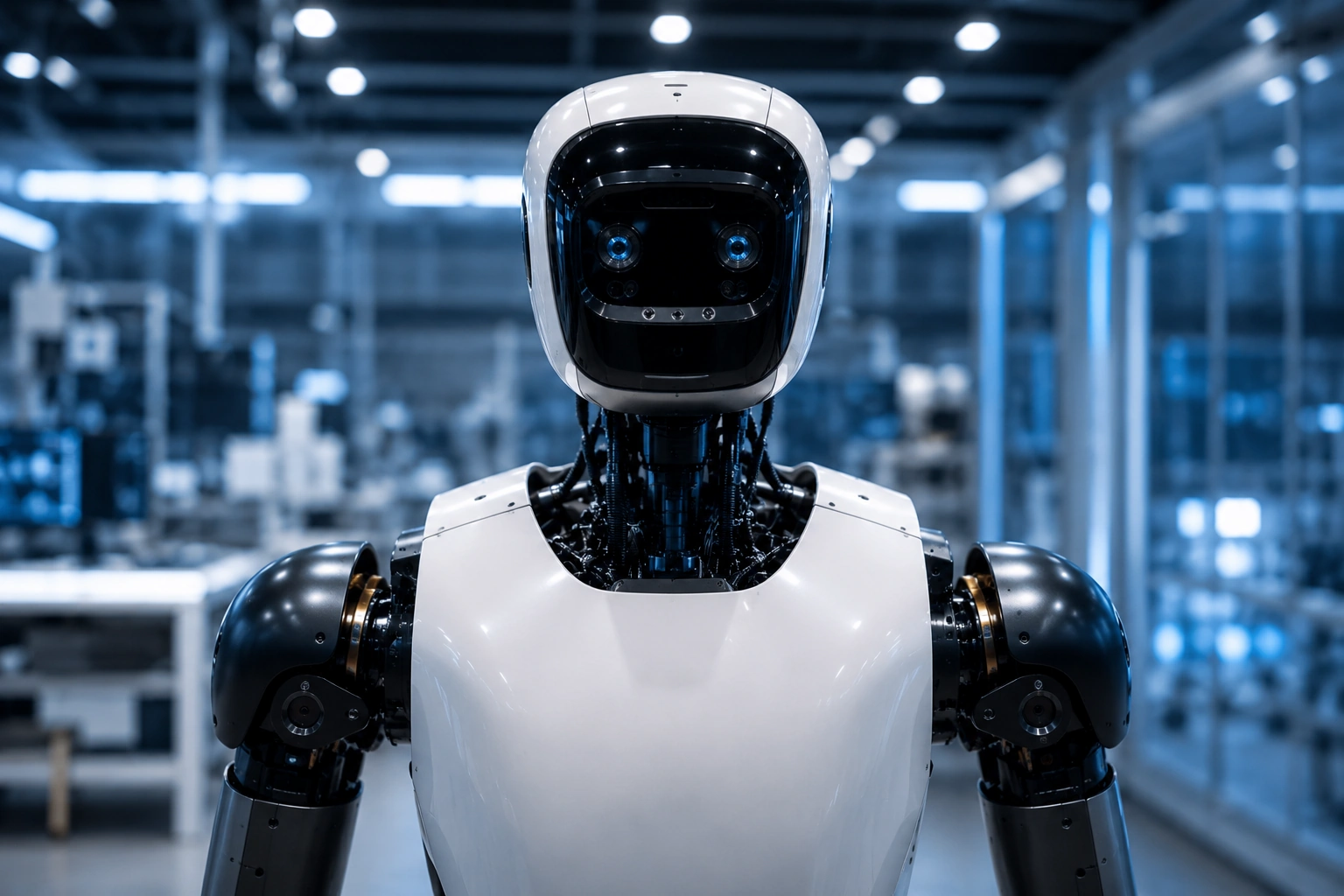
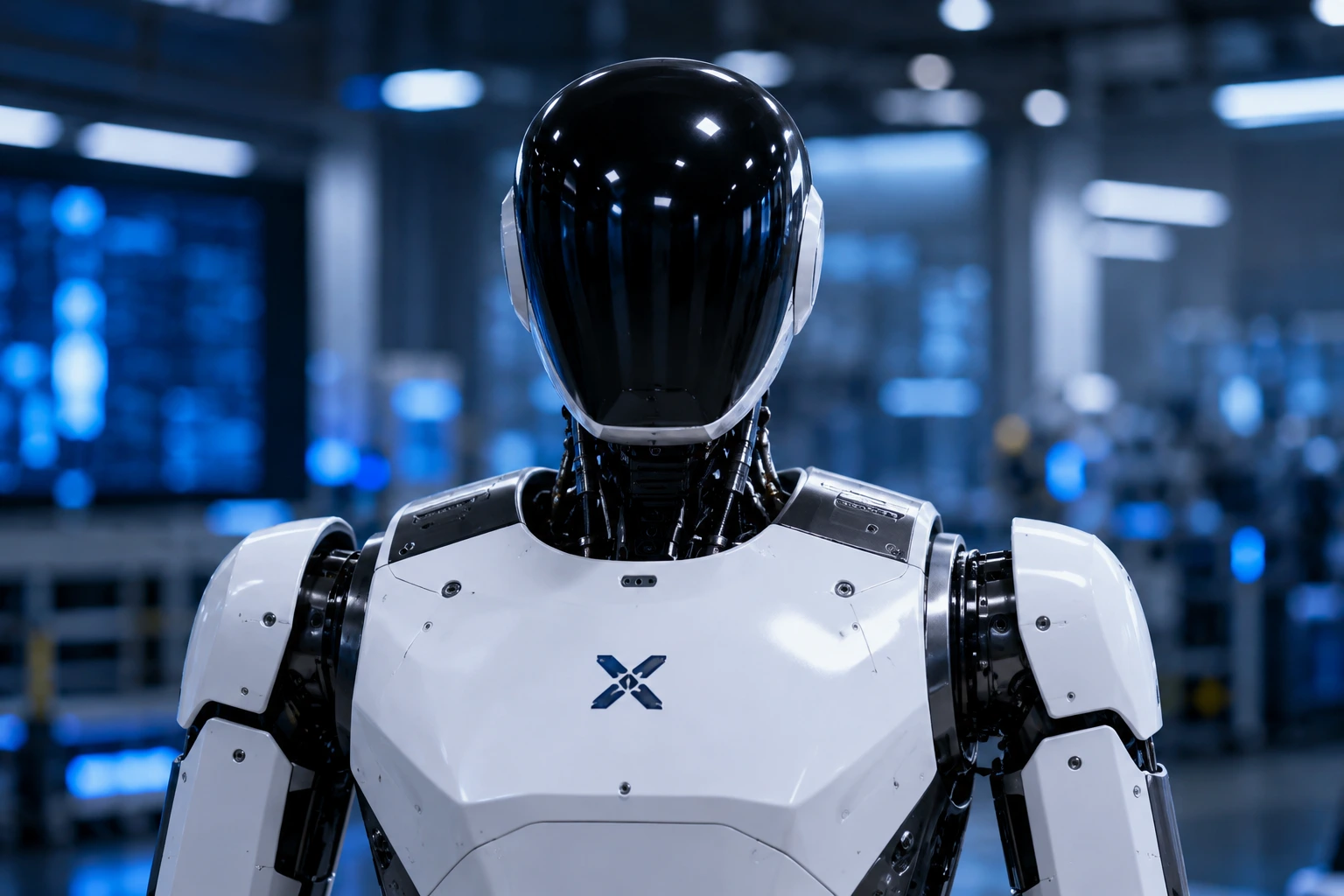
Inside automotive plants, distribution centers and advanced robotics laboratories, machines shaped roughly like us began lifting parts, sorting objects, walking through human workspaces and learning from demonstrations. For decades, humanoid robots were magnificent experiments. In the mid-2020s, the question changed. Engineers were no longer asking whether a machine could walk on two legs. They were asking whether it could complete a shift, recover from mistakes, learn a new task and do useful work safely beside people.

That shift marks the beginning of embodied artificial intelligence: AI that does not merely generate words or images, but perceives the physical world, makes decisions and acts through a body. The challenge is brutally difficult. A useful humanoid must combine vision, language, balance, force control, manipulation, navigation, safety and energy management in real time. A failure in any one of those systems can make the entire machine unreliable.

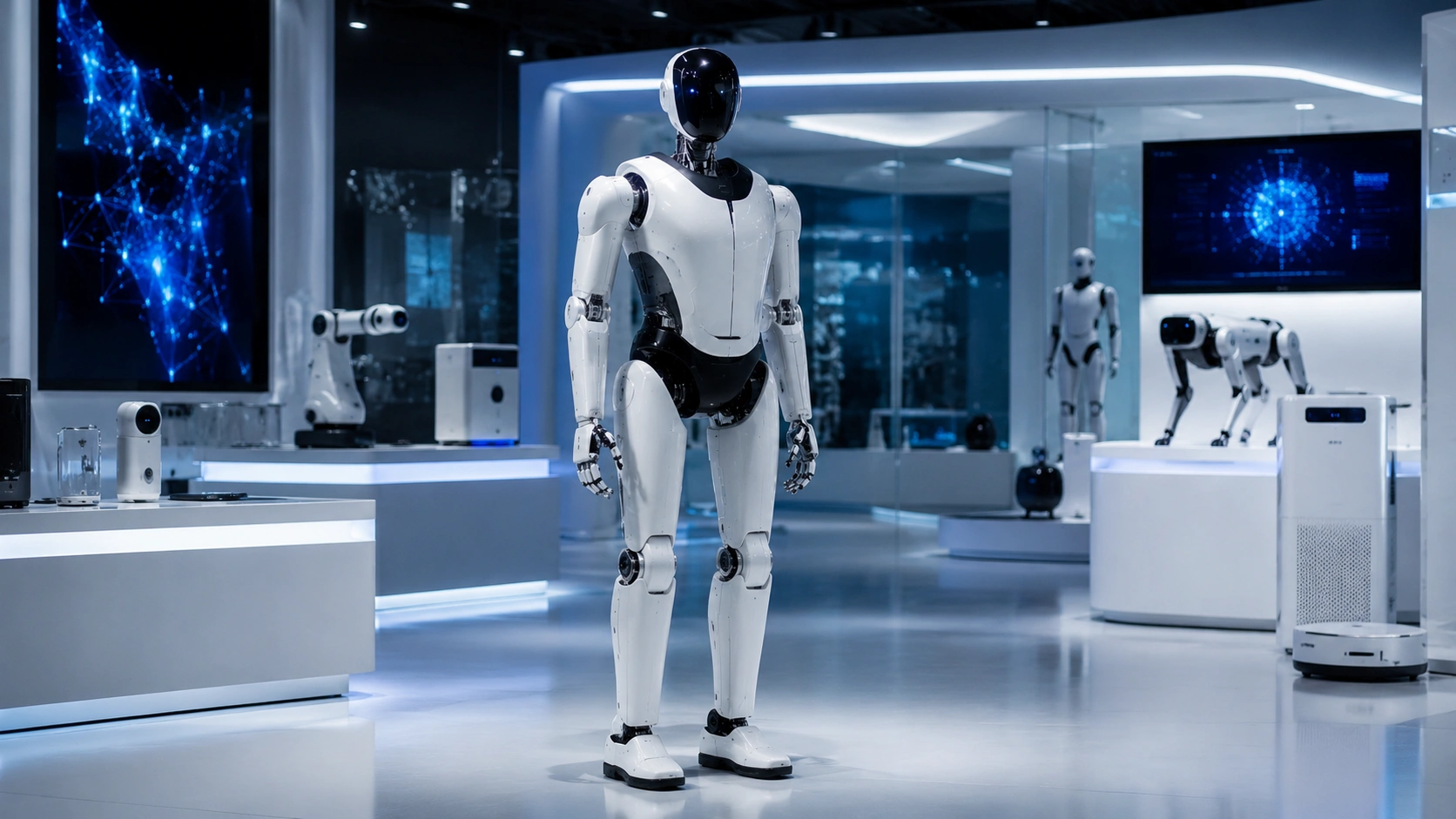
The reward is equally enormous. Human environments are already filled with stairs, shelves, tools, doors, carts, workbenches and machines designed around our bodies. A capable humanoid could enter those spaces without requiring civilization to rebuild everything around specialized automation.

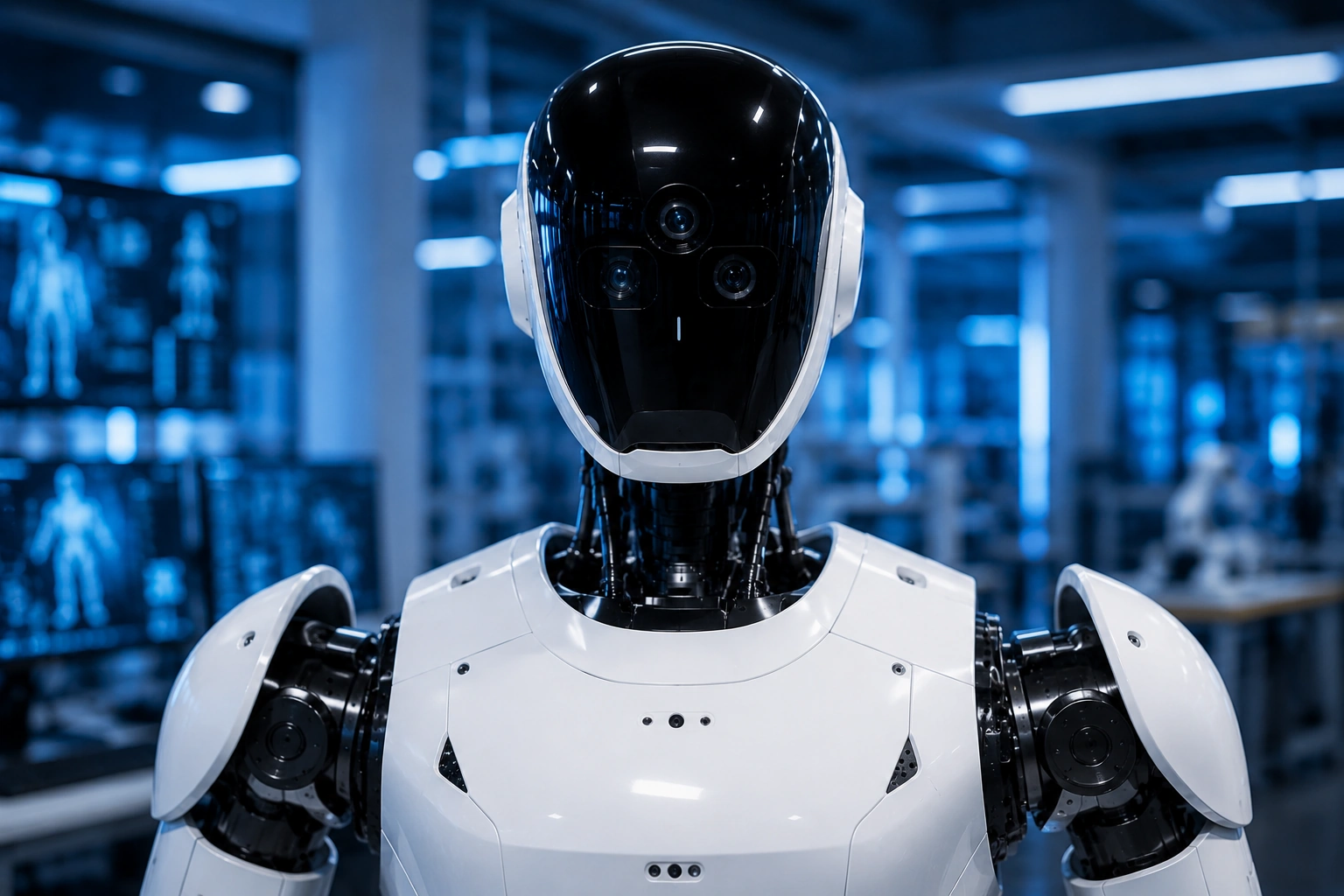
This WolfieWeb Special Report ranks 100 machines shaping that future. Chapter One presents the Top 25: the robots with the strongest combination of intelligence, mobility, dexterity, real-world progress, engineering originality and credible potential. The ranking is editorial—not a laboratory certification—and will be updated as the field changes.

100robots in the complete report
25featured in Chapter One
3official video showcases
1global embodied-AI race

How WolfieWeb ranked the machines

Artificial intelligence

Perception, language understanding, planning, learning and autonomous task completion.

Dexterity

Hand design, force control, manipulation accuracy and the ability to use human tools.

Mobility

Walking, balance, recovery, whole-body control and movement through real environments.

Commercial readiness

Manufacturing maturity, deployments, fleet operation, safety and serviceability.

Innovation

Engineering breakthroughs that move the entire field forward.

Future potential

The likelihood that the platform will scale, improve and influence real work.

Watch the humanoid revolution accelerate

These three demonstrations show different sides of the race: integrated autonomy, extreme whole-body movement and an accessible embodied-AI platform.

The Top 25 humanoid robots

Search the current chapter by robot, company or country. Scores reflect WolfieWeb’s editorial assessment as of August 4, 2026.

#1
Figure 03 humanoid robot
Add /images/figure03_card.webp

Figure AI · United States

Figure 03

Introduced2025Primary roleGeneral-purpose home and industrial humanoidWolfieWeb score98/100

Figure 03 combines the company’s Helix vision-language-action system with a body designed for useful work in homes, logistics operations and manufacturing. Figure lists a five-hour runtime, a 20-kilogram payload and natural-language interaction as core capabilities. More important than any single specification is the system-level approach: perception, reasoning and motion are trained to work together rather than being treated as separate demonstrations.
#2
Atlas humanoid robot
Add /images/atlas_card.webp

Boston Dynamics · United States

Atlas

Introduced2024–2026Primary roleEnterprise industrial humanoidWolfieWeb score97/100

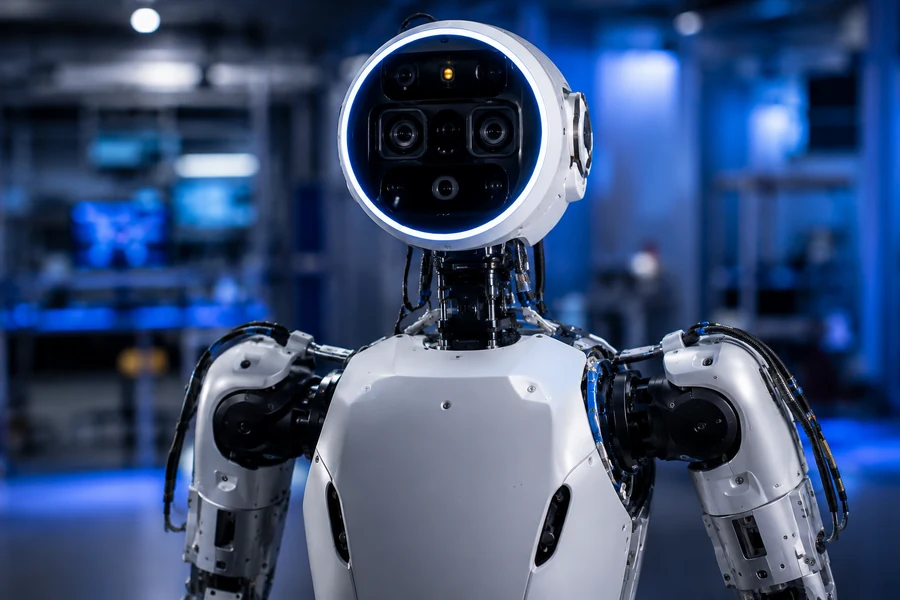
The fully electric Atlas is the result of more than a decade of work on dynamic humanoid movement. Boston Dynamics has shifted the platform from a celebrated research robot toward enterprise material handling, sequencing and physically demanding industrial work. Its unusual joints provide a range of motion that is not constrained by human anatomy, allowing the machine to choose movements optimized for the task.

#3
Tesla Optimus humanoid robot
Add /images/optimus_gen3_card.webp

Tesla · United States

Tesla Optimus

Introduced2022–presentPrimary roleGeneral-purpose factory and home humanoidWolfieWeb score95/100

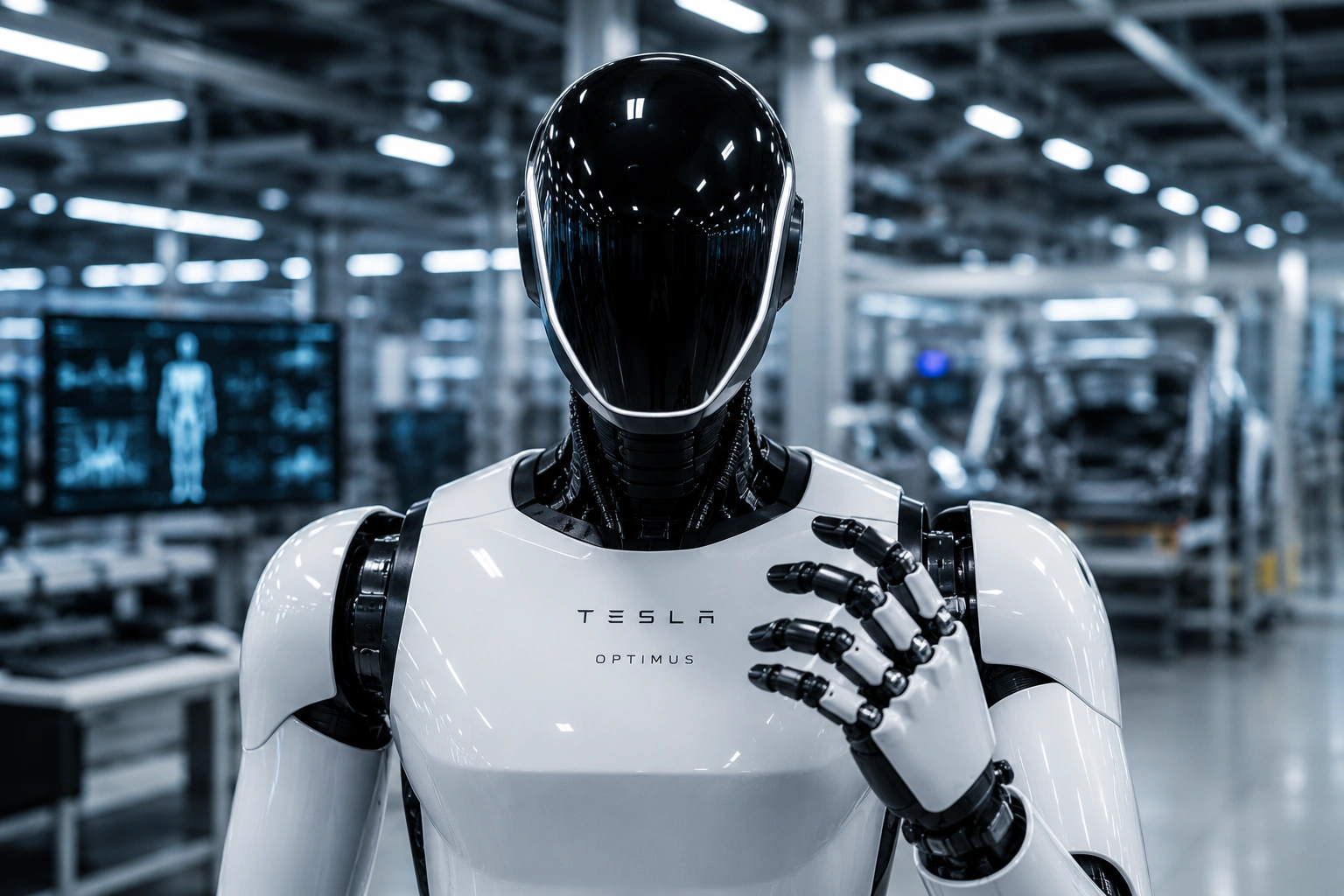
Optimus is Tesla’s attempt to apply its AI, vision, manufacturing and power-electronics experience to a general-purpose biped. The project targets repetitive, unsafe and undesirable work, beginning inside factories before expanding toward broader uses. Tesla’s advantage is potential manufacturing scale and access to real production environments; its challenge is proving dependable autonomous performance outside carefully selected demonstrations.
#4
Unitree G1 humanoid robot
Add /images/unitree_g1_robot.webp

Unitree Robotics · China

Unitree G1

Introduced2024Primary roleResearch, education and embodied-AI platformWolfieWeb score93/100

Compact, agile and comparatively accessible, Unitree G1 has become one of the most visible platforms for embodied-AI research. Depending on configuration, it uses 23 to 43 joint motors and can be equipped with force-controlled dexterous hands. Its folding body, fast motion and active developer ecosystem make it useful for laboratories that need a capable physical platform without building a humanoid from scratch.

#5
Apollo humanoid robot
Add /images/apollo_card.webp

Apptronik · United States

Apollo

Introduced2023Primary roleIndustrial logistics and manufacturing humanoidWolfieWeb score92/100

Apollo was engineered around practical industrial requirements: safe collaboration, modular serviceability and deployment in facilities designed for people. Apptronik emphasizes logistics, manufacturing and material movement rather than theatrical athleticism. Its partnership-driven strategy gives the robot access to real workflows where reliability, uptime and integration matter more than a spectacular demo.

#6
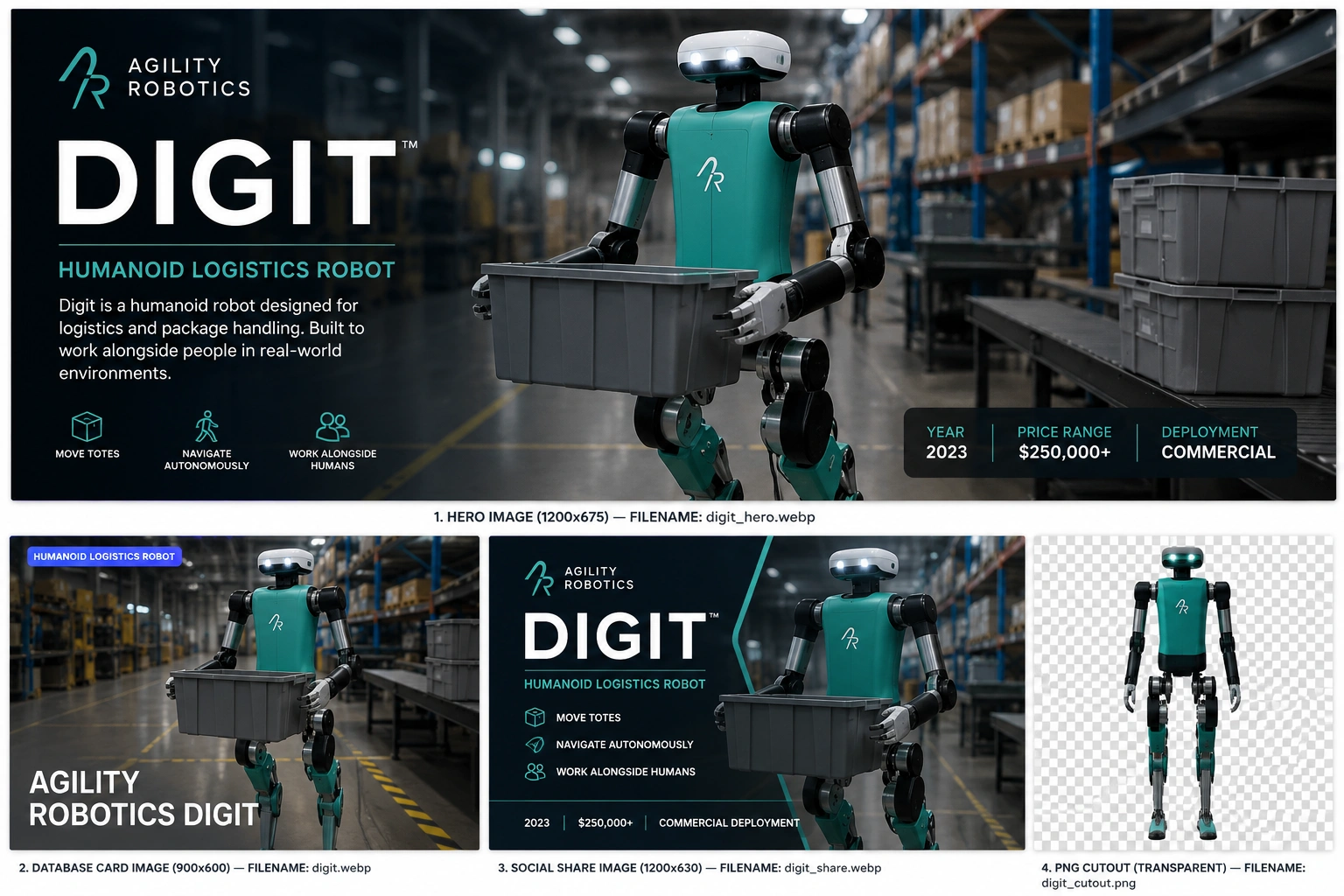
Digit humanoid robot
Add /images/digit.webp

Agility Robotics · United States

Digit

Introduced2019–presentPrimary roleWarehouse and logistics humanoidWolfieWeb score91/100

Digit is one of the clearest examples of a humanoid-derived robot moving toward routine commercial work. Its backward-bending legs, compact torso and purpose-built arms are optimized for warehouses and material handling rather than copying human appearance. Agility Robotics has focused heavily on safety, fleet operations and production infrastructure.

#7
Phoenix Gen 7 humanoid robot
Add /images/phoenix_gen7_card.webp

Sanctuary AI · Canada

Phoenix Gen 7

Introduced2026Primary roleGeneral-purpose dexterous labor platformWolfieWeb score90/100

Sanctuary AI’s Phoenix program centers on dexterous manipulation and a software architecture intended to transfer human skills into robotic work. The platform is designed around tasks performed with the hands—an area where many humanoids still struggle. Sanctuary’s approach treats intelligence and teleoperation as stepping stones toward increasingly autonomous labor.

#8
Walker S2 humanoid robot
Add /images/walker_s2_card.webp

UBTECH Robotics · China

Walker S2

Introduced2025Primary roleAutonomous industrial humanoidWolfieWeb score89/100

Walker S2 is built for factory deployment and long-duration operation. UBTECH has emphasized autonomous task execution, coordinated fleet use and continuous operation, including automated energy management. The Walker family has also benefited from the company’s long history in service and humanoid robotics.

#9
GR-3 humanoid robot
Add /images/gr3_card.webp

Fourier Intelligence · Singapore

GR-3

Introduced2025Primary roleInteractive general-purpose humanoidWolfieWeb score88/100

Fourier’s GR series combines full-size humanoid hardware with the company’s experience in rehabilitation robotics and force-controlled systems. GR-3 pushes toward more expressive, approachable interaction while retaining a body intended for manipulation, research and service applications.

#10
NEO Gamma humanoid robot
Add /images/neo_gamma_card.webp

1X Technologies · Norway / United States

NEO Gamma

Introduced2025Primary roleHome humanoid assistantWolfieWeb score87/100

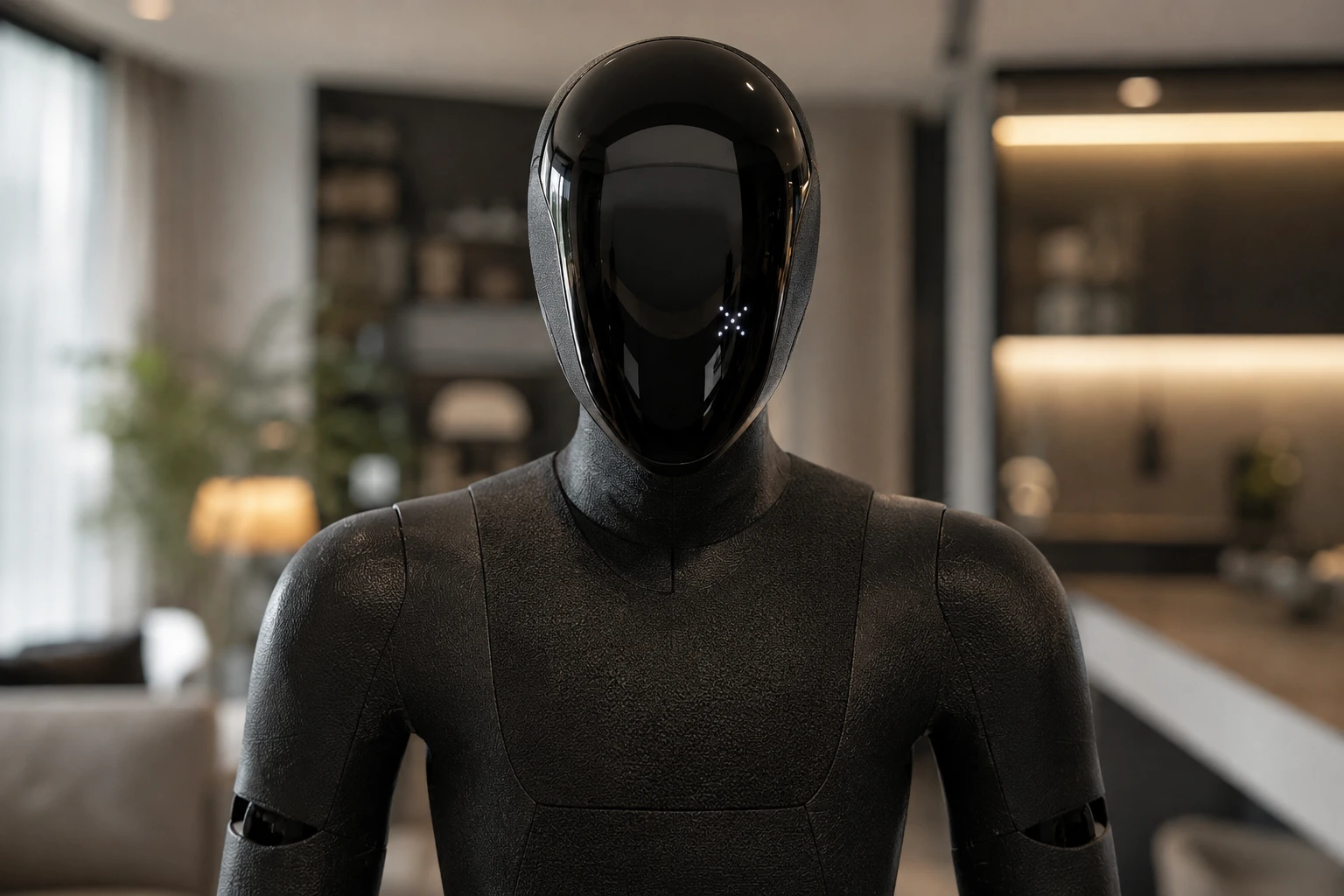
NEO Gamma is shaped around domestic environments rather than factory floors. Its soft exterior, quiet movement and human-scale proportions are intended to make it safer and less intimidating inside homes. The platform reflects 1X’s belief that useful household robots will require large amounts of real-world data and carefully supervised learning.

#11
Ameca humanoid robot
Add /images/ameca_card.webp

Engineered Arts · United Kingdom

Ameca

Introduced2021–presentPrimary roleHuman–robot interaction and researchWolfieWeb score86/100

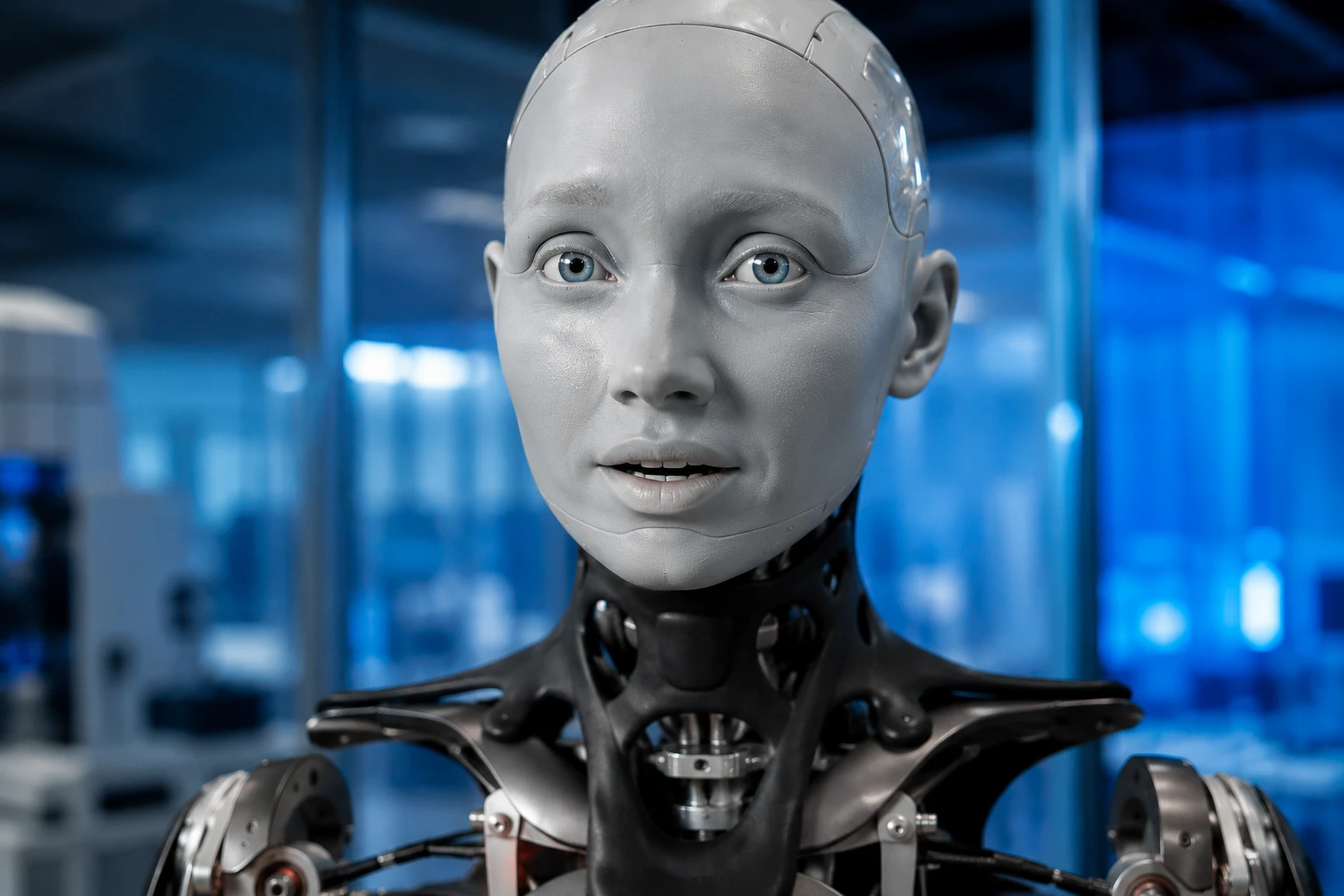
Ameca is best known for remarkably fluid facial expressions, gaze behavior and conversational presence. It is not designed to carry heavy factory loads, but it has become an important platform for studying human reaction, communication and social robotics. Its modular design allows AI systems to be connected to a highly expressive physical interface.

#12
Phoenix Gen 6 humanoid robot
Add /images/phoenix_gen6_card.webp

Sanctuary AI · Canada

Phoenix Gen 6

Introduced2024Primary roleDexterous general-purpose workerWolfieWeb score85/100

Phoenix Gen 6 advanced Sanctuary AI’s work on human-like hands, task learning and remote assistance. It helped establish the architecture and operational lessons that informed later Phoenix generations. The robot’s emphasis on work performed at human stations makes it a significant bridge between teleoperated systems and autonomous labor.

#13
Figure 02 humanoid robot
Add /images/figure02_robot.webp

Figure AI · United States

Figure 02

Introduced2024Primary roleIndustrial humanoid predecessorWolfieWeb score84/100

Figure 02 was the platform that turned Figure AI from a promising startup into a major industrial robotics contender. It performed extended work in automotive production and generated the operating data that shaped Figure 03. Its integrated cabling, improved hands, cameras and onboard compute represented a major leap from Figure 01.

#14
H1 humanoid robot
Add /images/h1_card.webp

Unitree Robotics · China

H1

Introduced2023Primary roleFull-size high-mobility humanoidWolfieWeb score83/100

Unitree H1 is a full-size biped built around speed, balance and robust lower-body control. Equipped with 3D LiDAR and depth cameras, it became widely known for rapid walking and recovery from external pushes. It also provided Unitree with a larger platform for advancing whole-body learning.

#15
NEURA 4NE-1 humanoid robot
Add /images/4ne1_card.webp

NEURA Robotics · Germany

NEURA 4NE-1

Introduced2022–presentPrimary roleCognitive industrial humanoidWolfieWeb score82/100

4NE-1 extends NEURA Robotics’ cognitive-robotics strategy into a humanoid body. The company emphasizes sensing, safe collaboration and integration with its broader family of industrial and service robots. The platform is aimed at tasks where human form and cognitive interaction are both useful.

#16
AgiBot A2 humanoid robot
Add /images/a2_card.webp

AgiBot · China

AgiBot A2

Introduced2024Primary roleCommercial service and industrial humanoidWolfieWeb score81/100

AgiBot A2 is part of a broad family of humanoids developed for service, research and industrial scenarios. The company has pursued aggressive production goals and a data-centered embodied-AI strategy. A2’s polished design and flexible interaction make it suitable for demonstrations, reception, inspection and manipulation research.

#17
GR-1 humanoid robot
Add /images/gr1_card.webp

Fourier Intelligence · Singapore

GR-1

Introduced2023Primary roleGeneral-purpose research and assistance humanoidWolfieWeb score80/100

GR-1 was Fourier Intelligence’s first major full-size humanoid platform. Built with strong actuators and a focus on balance, locomotion and assistance, it drew on the company’s rehabilitation technology background. The robot became a foundation for later GR models and outside research partnerships.

#18
Walker S1 humanoid robot
Add /images/walker_s_card.webp

UBTECH Robotics · China

Walker S1

Introduced2024Primary roleAutomotive manufacturing humanoidWolfieWeb score79/100

Walker S1 is UBTECH’s industrial humanoid platform for automotive and advanced manufacturing environments. It combines autonomous navigation, visual perception and two-arm manipulation with a body designed to work at human stations. Deployment programs helped establish the operational foundation for later Walker generations.

#19
MenteeBot humanoid robot
Add /images/menteebot_card.webp

Mentee Robotics · Israel

MenteeBot

Introduced2024Primary roleAI-first general-purpose humanoidWolfieWeb score78/100

MenteeBot is built around the idea that a humanoid should understand natural-language commands, plan multi-step behavior and learn from data rather than depend on hand-coded routines. The company combines computer vision, simulation, navigation and locomotion in a vertically integrated system.

#20
Kepler Forerunner humanoid robot
Add /images/kepler_forerunner_card.webp

Kepler Exploration Robot · China

Kepler Forerunner

Introduced2024Primary roleIndustrial and research humanoidWolfieWeb score77/100

Kepler Forerunner targets industrial work with a full-size body, high-torque joints and dexterous manipulation options. The company has positioned the platform for research, logistics and manufacturing while iterating rapidly across hardware versions.

#21
XBot-L humanoid robot
Add /images/xbotl_card.webp

RobotEra · China

XBot-L

Introduced2024Primary roleEmbodied-AI research humanoidWolfieWeb score76/100

XBot-L is designed as a full-size platform for locomotion, manipulation and embodied-AI training. RobotEra has demonstrated dynamic movement and diverse tasks while building a family of hardware and simulation tools.

#22
CyberOne humanoid robot
Add /images/cyberone_card.webp

Xiaomi · China

CyberOne

Introduced2022Primary roleResearch and human-interaction humanoidWolfieWeb score75/100

CyberOne is Xiaomi’s full-size humanoid research platform. It combines bipedal motion, visual perception, audio sensing and emotion-recognition experiments. Although it has not followed the same commercial path as factory-focused rivals, it illustrates the resources major consumer-electronics companies can bring to robotics.

#23
Astribot S1 humanoid robot
Add /images/astribots1_card.webp

Astribot · China

Astribot S1

Introduced2024Primary roleHigh-speed manipulation humanoidWolfieWeb score74/100

Astribot S1 drew attention with rapid, precise upper-body manipulation. Its demonstrations focused on cooking, sorting, folding and other hand-intensive tasks performed at speeds closer to human work. The platform initially emphasized a stationary or wheeled base, prioritizing useful manipulation over difficult bipedal locomotion.

#24
XPENG IRON humanoid robot
Add /images/iron_card.webp

XPENG Robotics · China

XPENG IRON

Introduced2024Primary roleGeneral-purpose service and industrial humanoidWolfieWeb score73/100

IRON is XPENG’s humanoid platform, backed by the company’s experience in electric vehicles, AI compute, batteries and manufacturing. Its human-scale form and dexterous hands are intended for factory and service tasks. Automotive resources could help XPENG move faster than robotics startups without production experience.

#25
SURENA V humanoid robot
Add /images/surena5_card.webp

University of Tehran / CAST · Iran

SURENA V

Introduced2025Primary roleAdvanced research humanoidWolfieWeb score72/100

SURENA V continues Iran’s long-running academic humanoid program with improvements in motion, balance, perception and manipulation. The platform is a research machine rather than a mass-market product, but it demonstrates how national university programs can sustain sophisticated humanoid development outside the best-known commercial hubs.

What the Top 25 reveal

The field is splitting into several distinct strategies. Figure, Tesla, Apptronik, Agility and UBTECH are chasing industrial scale. Boston Dynamics is attacking the hardest problems in whole-body control. Unitree is lowering the cost of capable research hardware. Sanctuary AI and Astribot emphasize dexterous work. 1X is betting on the home. Engineered Arts focuses on human interaction. No company has solved the entire problem yet—and that is precisely why the race remains wide open.

The next chapter expands the ranking from #26 through #50 and examines the explosion of new platforms emerging from China, Europe, Japan, South Korea and university laboratories.

➡ Continue to Chapter 2: The Global Humanoid Robot Arms Race (#26–50)